Book Month Part 2 from 2018

Well after all of my huffing and puffing about World Book Day, it was snowed off anyway. So it was a good job we celebrated it in our own way.

We’ve had a lovely week reading lots and doing fun things to do with our book of the week.

As I said last week our book was ‘Tidy’ by Emily Gravett. Such a lovely book.

Beautiful pictures and a lovely rhymical story and to add to that it includes hoovers and diggers! (This is a good thing if you love them as much as J does.) But there is also a more meaningful undertone to this book about looking after our planet and protecting our woodlands and not cementing over everything to make way for galumphing great tower blocks and houses!

Reading it this week really brought it home to J the impact of what happens to build houses for us.

But we didn’t just read, we had extra fun too…

The world

After our little chat about looking after the world had a look at what our world looked like, we used an atlas but Google Earth is also great fun too.

Then we set about painting the world and I was so impressed by the outcome.

We used paint dabbers – easy and slightly mess free (if you don’t slam them down and then find all the splats on your wall).

The woods

I tried to bring a little of the woods to our front room in the sensory tray. The book talks about autumn coming and the leaves falling, and the diggers come in and dig up all the trees so this is what I tried to recreate.

I used a mixture of quinoa and pumpkin seeds with sunflower seeds for the base. Then added in some sticks, acorns and pine cones. There were some diggers and scoops to add to the fun. We left it out for a few days so he kept coming back to it.

Where is my rabbit?

Something that I thought would take the whole month was writing a book, but he got it done in one evening. Can I just add this was his idea.

It’s a lovely book called ‘Where is my rabbit?’ and is very similar to Monkey Puzzle, but I’m sure Julia Donaldson won’t mind! He is 4 after all. But he told me the story whilst I wrote it down and then I typed it into Book Creator, which is a great app. He was then able to add images and draw a lovely rabbit wearing trousers and wearing a hat. Now this is amazing because I have an active bean that doesn’t really like to draw – but give him an iPad and we get masterpieces.

He was also able to add some voice over too. It was such a special time doing this together and it something we will treasure. I must have read it a hundred times already.

Other books with the same theme

We also had a read around with some similarly themed books.

Starting with ‘The Lorax’ by Dr Seuss – brilliant, brilliant book one of our favs.

’10 things I can do to help my world’ by Melanie Walsh. I think the title says it all. But it was a challenge to me too.

‘Christopher’s Bicycle’ by Charlotte Middleton a lovely book about recycling things to make gifts for others.

So all in all a good first week. We might get chance to make a painted forest tomorrow, but we’ll see.

Next week is ‘Robot Rumpus’ by Sean Taylor. This is a fab book and have already read it loads and loads. But we had to have a robot week!


Month of Books Part 1

Edit – I wrote this 5 parter about 4 years ago. But with World Book day coming up my feelings still haven’t changed. But you may find something helpful in here.

2018
I have spent a lot of time moaning about World Book Day this week. Anyone who knows me has probably started avoiding me because I’ve been on my soapbox all week.

Now don’t get me wrong, I love books. J and I love reading together; it is one of the highlights of our day, snuggling down on the sofa and reading the chosen books for that day. We go to the library and get out 20 books each time and get through them all each week. We’ve even bought J a reading light and now he also reads a book before bed by himself.

But what I’m struggling with is dressing up for ‘World Book Day’ – it seems to be a huge pressure for people. I’m a creative person and still find it massively pressured. Mainly because I could spend hours making an outfit and then J wouldn’t wear it at all! Or go and buy one and again he doesn’t wear it. Not only that my husband is a teacher and so we have two outfits to think of (I’m very aware that most of you have 2 or more to make, so I know that I’m not alone in this!) I know the purpose is to get children engaged in books, but mostly children dress up as characters from films – I checked out a stores website for their world book day outfits and out of 12 outfits only 4 were actual book characters! But enough of my rant because believe me I could go on!

So this morning I decided to stop moaning and be the change I want to see. So in our house we are going to have Book Month. We will choose one book a week (on top of our normal books) read it and choose activities to do from the book, and really try to engage with the books and inspire creativity and hopefully some learning.

Our first book is….

It’s a beautiful book encouraging the reader to look after our world.

Amazingly it also includes two of J’s loves β€” hoovers and diggers β€” so it’s a winner. Tonight at bedtime we had such a lovely conversation about protecting animals and replanting trees after they’ve been cut down.

I’m desperate for J to grow up loving books and reading. He already has a thirst for knowledge, so I want to support him in every way I can.

This morning I read an interesting/terrifying report from thebookseller.com

‘New report reveals 58% of parents of 3-4 year-olds struggle to read with their children every day’

I understand that there are a million reasons why this happens, being too busy, not loving reading themselves, lack of confidence with reading and so on. But hopefully our book month will not only inspire J and myself, but others too. So I’ll stop moaning about dressing up and start championing books! I’ll also share all our activities as we go along.

Meal Times

I was asked this week by a family to support with meal times.
Meal times can be tricky for all families and all families do meal times differently, which is completely fine.

But however you do, do mealtimes there may be some common difficulties we all face. These difficulties arise for many, many different reasons but some of them can be:
1. Your child has ADHD or is just a fidget and getting them to sit at the table is hard.

2. Your child has ASD or sensory issues which makes eating certain foods tricky.

3. Your child is colourblind and basically a lot of food looks yucky

4. Your child is a child and meal times just become a battle ground.

As with all my posts, take some of the ideas and that you think might work for you and leave the rest. Or let my ideas spark new ideas that may work for your family. But know if you are struggling with meal times then you are not alone!

Trying new foods
I never wanted to broach this subject with my little one because to be honest I just couldn’t face it. But when it got so bad, I knew I had to try. And really its just forming new habits (If you say it like that it seems easier!)

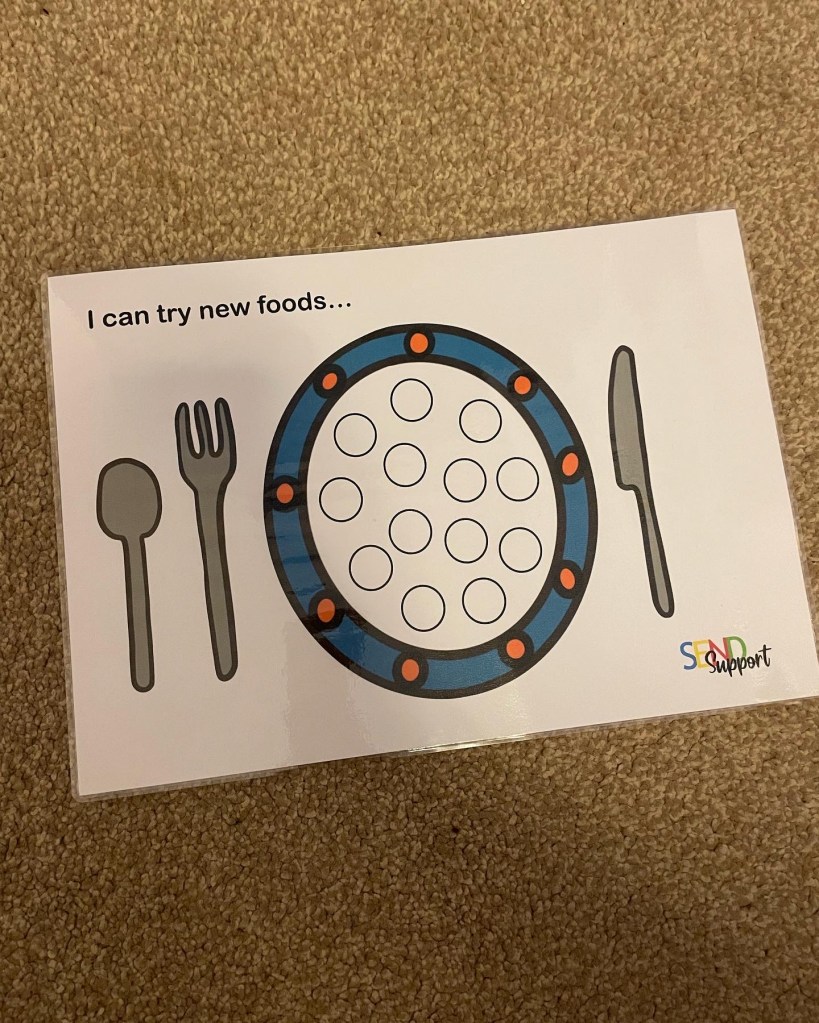
The main way we worked on this was to serve up his normal food and on the table I would keep a reward chart. I would then put something new on a plate to the side of his dinner. Every time he tried a new food he got a sticker. He knew the rules and I would just put the new food on the table, but would not go on about it. We would talk about our day and try and have a normal dinner time, but we wouldn’t mention the new food. But as soon as he tried the new food he would get a sticker. As soon as the reward chart was full he got a reward. We did the chart a few times over and gradually food didn’t seem so scary. I’m not going to lie and say that he now eats everything far from it, but food isn’t so much of a battle and his repertoire has increased.

Meal Times are a battle
It’s so easy to get worried about what they are eating or not eating, that, that is what meal times become about.
I have such fond memories of meal times all sitting round the table chatting about our days and then my dad making teeth out of the orange peel!! But meal times in our house became about me being stressed out and meal times being horrid. So try different things to take the focus away from the food.

Games
Pass the story
We would play the story game. One person starts the story then passes it to another to carry it on and so forth. We had some fantastic stories come out of these times and no one really realised they were eating food.

Play would you rather
This game begins with ‘Would you rather…’ You then say two different things like – eat cold baked beans or sit in a bath of baked beans. And everyone around the table has to choose what they would rather.

Conversation starters
Have a jar on the table with a bunch of conversation starters in. If you feel like the meal time is becoming about the food then take out a conversation starter and see where it takes you. This can be also a great idea if you have a child you likes to bring the conversation back to his latest obsession. (There are only so many tea times you can talk about hand driers – believe me!)

Sitting at the table
We do not have expectations that our child sits at the table for a long time. But we do expect that whilst he is eating he has to sit down. This is a constant battle for us.
– Friends of ours have tried the wiggle cushions and says it works for them.

– We take the approach that if he gets up there’s no pudding, but this is tricky, because with children with ADHD the impulse to get up over rides the outcome. So I have started putting a visual on the table of a person standing up with a line through it as a constant concrete reminder.

– There are times like going to other people’s houses for dinner (Not something we do regularly) or going to a restaurant where sitting is a social convention. I make sure I take activities and fidget toys and I am really clear with our child and the people we are with about how long realistically the sitting can last.

But if all else fails. Just end the meal time and start again the next day. You want meal times to be a half lovely time for your family not a battle ground.

I hope there are some ideas that help.

What does time look like?

This is something I have spent a lot of brain power on lately. How does my little one (who probably has ADHD) perceive time?
I’ve always found it so funny that someone who is quite clever and can work out maths sums in seconds cannot for the life of him work out what day it is, or what day is coming next. Then when it was my husbands birthday, my son asked when is your next birthday? It was in that moment that my suspicions of struggling with Executive Functioning were confirmed.

So I went on a search to find out what does time look like? Now I am very aware that there is a much deeper, philosophical answer to this than what I am about to give you.

Firstly what does time look like for people who don’t struggle with Executive Functioning. For me it’s a straight line, or like a time line the ones you see in history books. The past, the present and the future all spread out in a colourful line. It’s all clear, it’s all visible and its all colour coordinated (but then that is just me!).

But as Sandy Maynard M.S in this great article writes:
Some experts think that individuals with ADHD perceive time not as a sequence but as a diffuse collection of events that are viscerally connected to the people, activities, and emotions involved in them. That often means they’re always late. Children and Adults with ADHD don’t see events they feel them.

And this is what I have witnessed in my little one. It’s all about now, or what is coming up next, but he doesn’t understand quite where the next comes in. There might be things that need to come first, but that doesn’t take priority. Understanding that you have to get dressed before going out and making time for that. Or getting so lost in time that there is no awareness where he actually is in the current time.

I get it, he’s still young, but what I am realising is this is something I need to teach him. I need to put in place strategies that will help him. Some children just learn this intuitively and some children need to go back to basics. Which means we as the parents have to go back to basics and realise how do we do things. We need to break it down for them to help them make sense of it all.

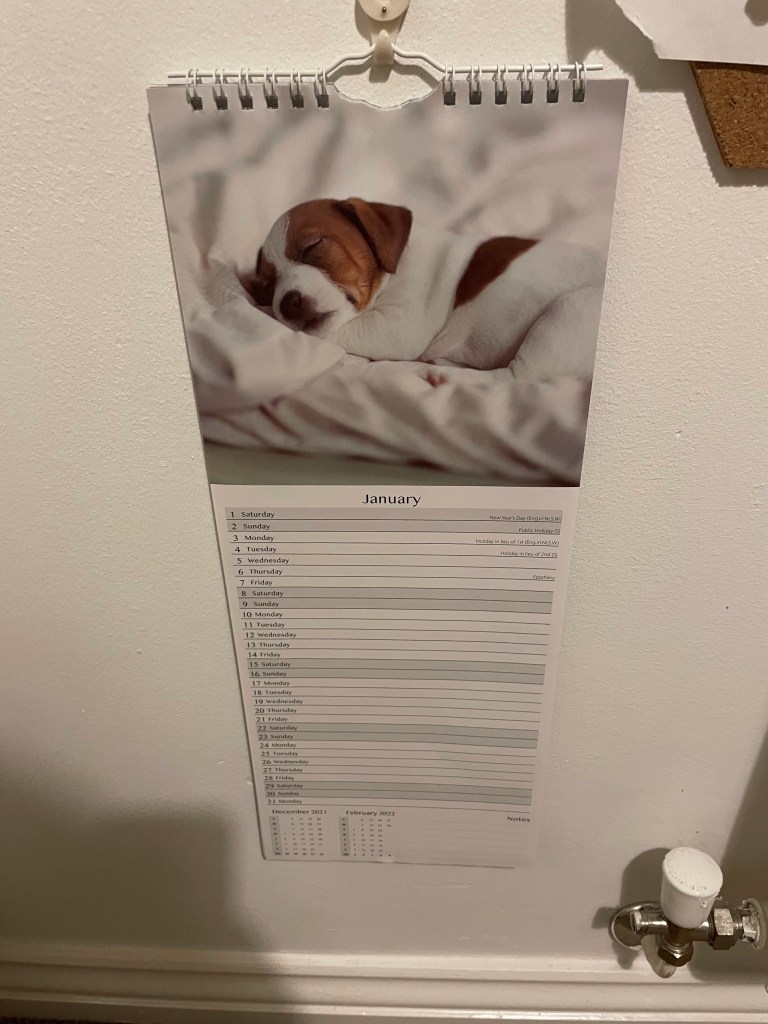
A calendar to help realise how time is linear

Makaton

Exciting News!!!!

SEND Support is expanding and we will be offering Makaton courses before the end of the year.

Makaton has been a passion of mine for years, and then a few years ago I met a young child, who was very sad and struggling because they couldn’t communicate. After being part of their Makaton journey, I saw them come alive and the sadness disappear. It was from that moment that I knew I wanted to support others in their Makaton journey and encourage other children and adults to be able to communicate with this wonderful language programme.

Keep an eye out here for more updates and course dates. We are based in London and will be offering online courses and in person training too!

Speech and Play

Play is a fantastic medium for children to explore, learn and experience new things. Sometimes play and learning get separated into two categories and it is thought the two things can’t really meet. But this is simply not true.

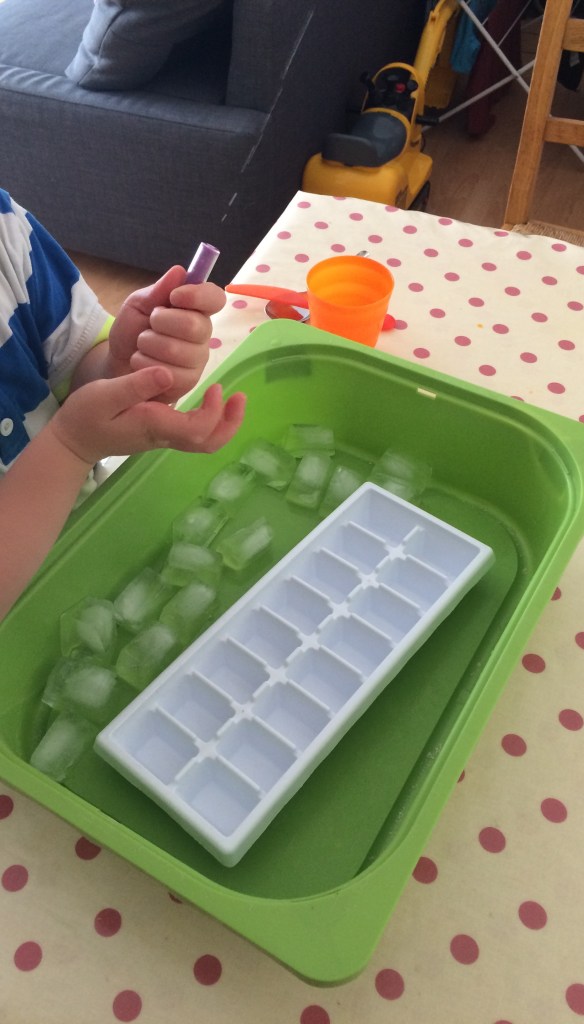
Play and learning can intertwine perfectly and children can learn new skills (like pouring in water play) or how things move from one place to another (playing with cars) or even over coming fears through play (if a child is scared of a dog, then playing with soft toy dogs or playing dogs with friends, helps them to understand their fear and supports them to process their fear).

Water Play

So it stands to reason that speech can also be supported through play too. This is the same for children with additional needs and those without, all children can benefit in their speech through play.

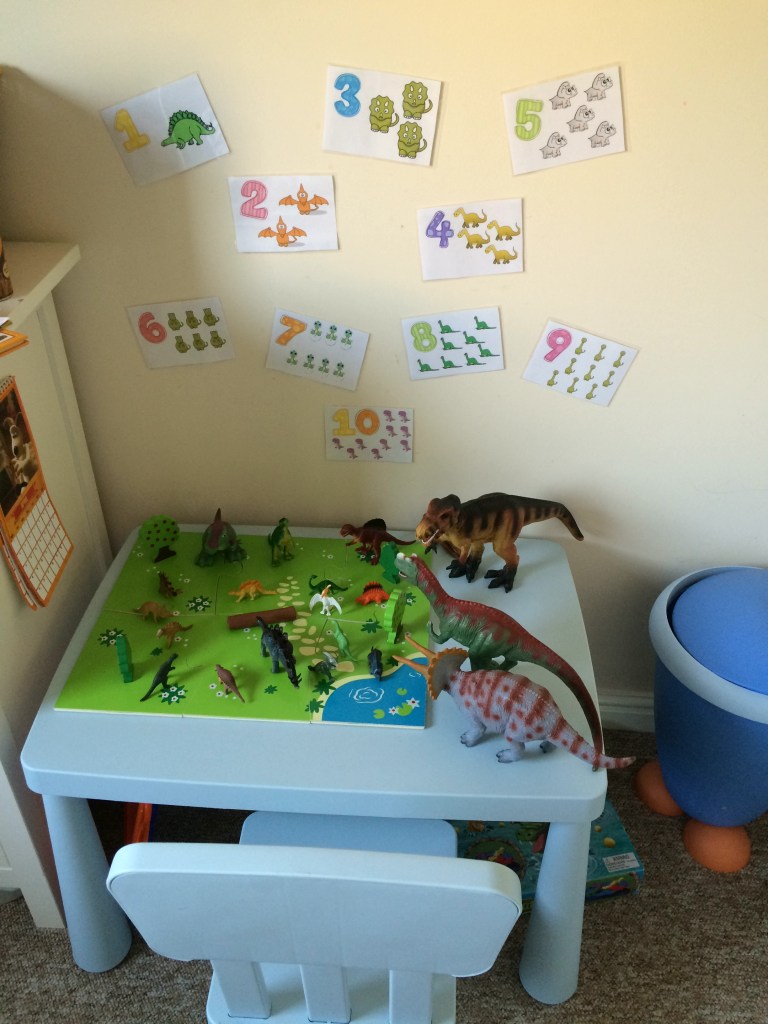
When a child is playing they use this experience to use the language they have learnt in their everyday. For example playing with cars, they may use the sounds they have heard cars make – vroom vroom. Or they may use language used around cars e.g. come on, over there, faster etc. Playing with dinosaurs can help explore sounds such as Roar and stomp. So even children with minimal speech can explore sounds and language through play. And through play, children can feel safe to use the language they have and to try out new words.

You can use play to also help support children learning new words. Play is very visual, so by you showing children the objects they are playing with and using the correct words to name them you are giving them a visual representation of what the word is and what the word means. For example, you are playing together with a farm and there is a cat, if you were to say the word for the first time and they haven’t seen a cat the word wouldn’t mean anything, but as you play you show them the cat, you help them hear the sound a cat makes and they have a real grasp of what a cat is. And as you play you as the adult keep repeating the word, you keep repeating the sound and gradually the child builds the confidence to say cat or to make the sound. This is a very basic example, but it gives you the idea.

If there are words or concepts that you are trying to help your child learn such as ‘on’ or ‘off’, then why not use play. ‘O no the bird has fallen off the tree’. Set up play activities that support the word or concept, and that really encourage language. Even balls going through a tunnel – ‘where has it gone?’

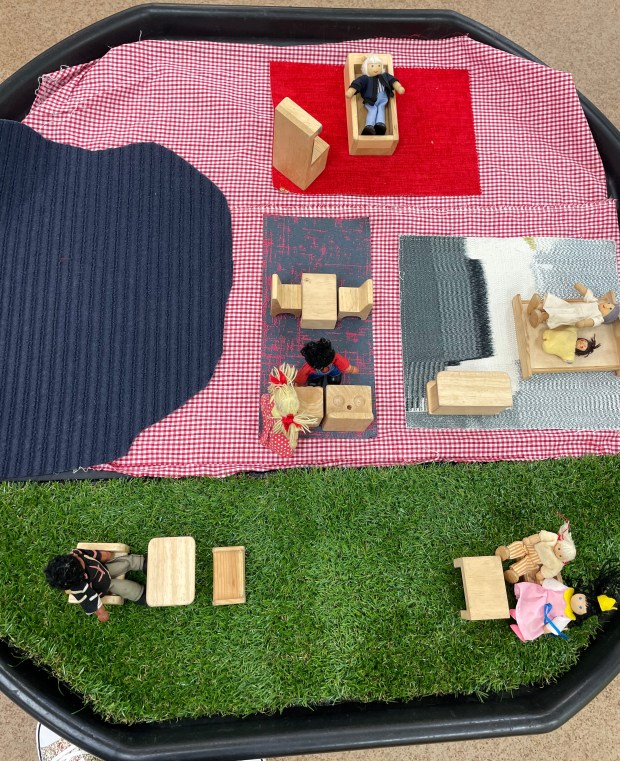
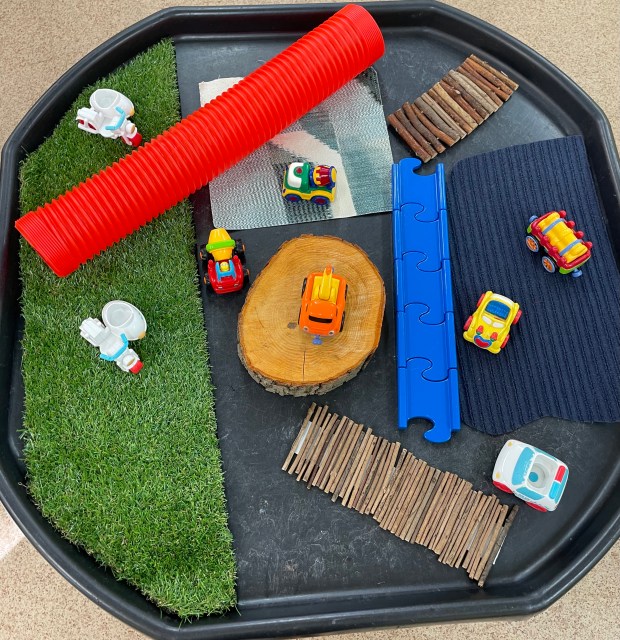
These are some trays I have made for work, but you could also make them just as easily at home with items you have at home.

You could use this type of play to support language about family members, household objects or inside and outside. You as the adult don’t lead the play, but you are involved and you use lots of opportunities to speak about these different topics.

This tray is about cars, but also about the different surfaces they are travelling on – language such as rough, bumpy, smooth can be used. You can think about the car is it going fast or slow. Again so much language can be practiced and introduced with a very simple set up.

For some children learning to talk has to be more intentional and can take a bit longer, but it can also be fun for you and them.

New pictures ✍🏽

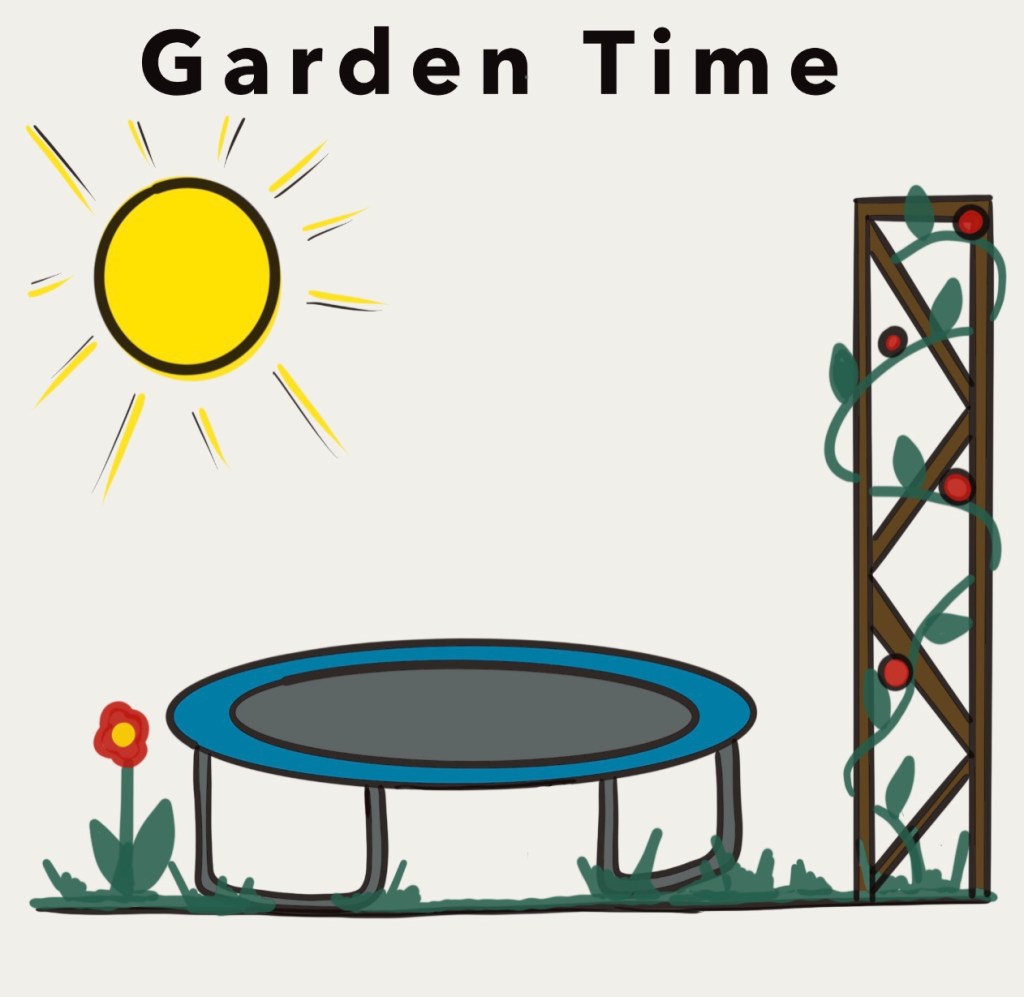
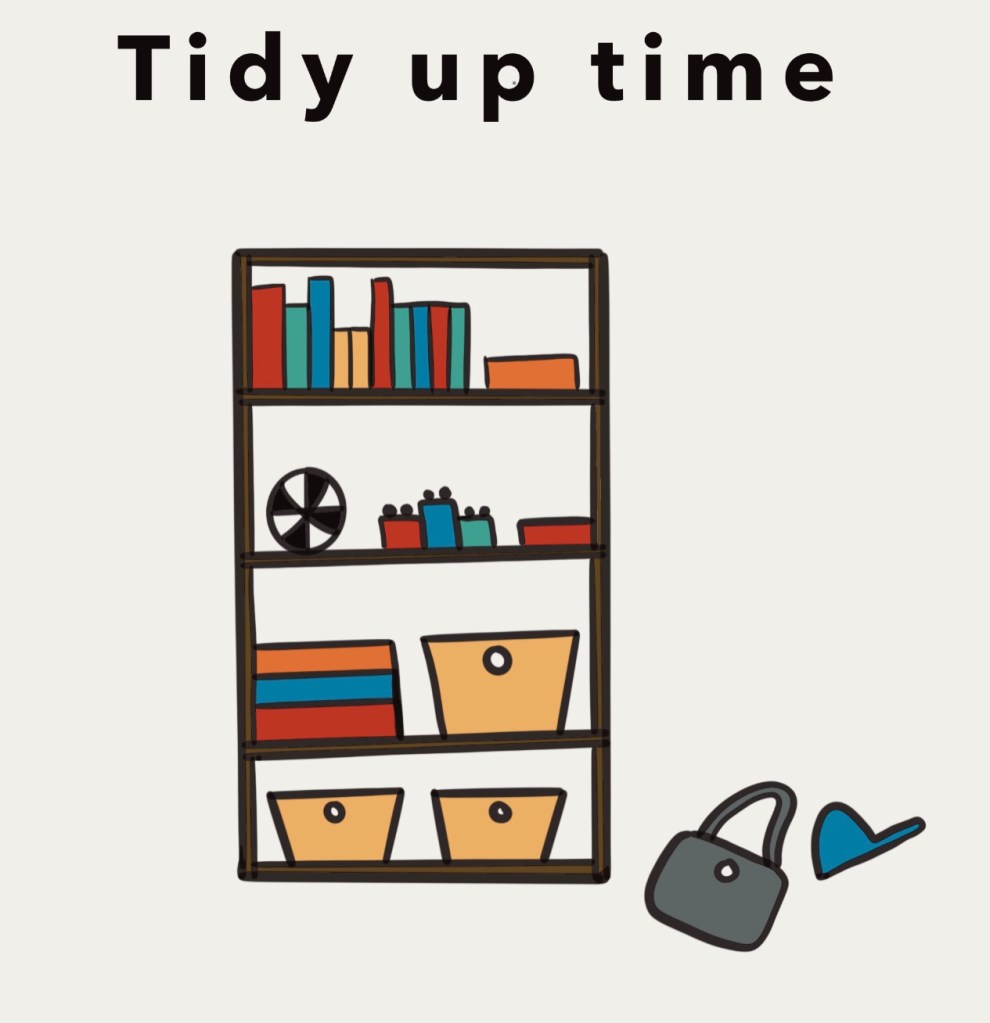
I’ve been spending some time updating my now and next cards. They are all hand drawn and can also be made into a picture time table.

If you would like us to make a now and next board for you or a picture timetable click here for prices. We can make up pictures that suit your routine also.

Relax with Play Dough

Every child loves play dough and it is a fantastic sensory experience. They can prod away or make sculptures. When working in school, play dough was great for supporting fine motor skills and if you want your child to stay engaged in with Maths just add play dough – so a small pot was always in bag.

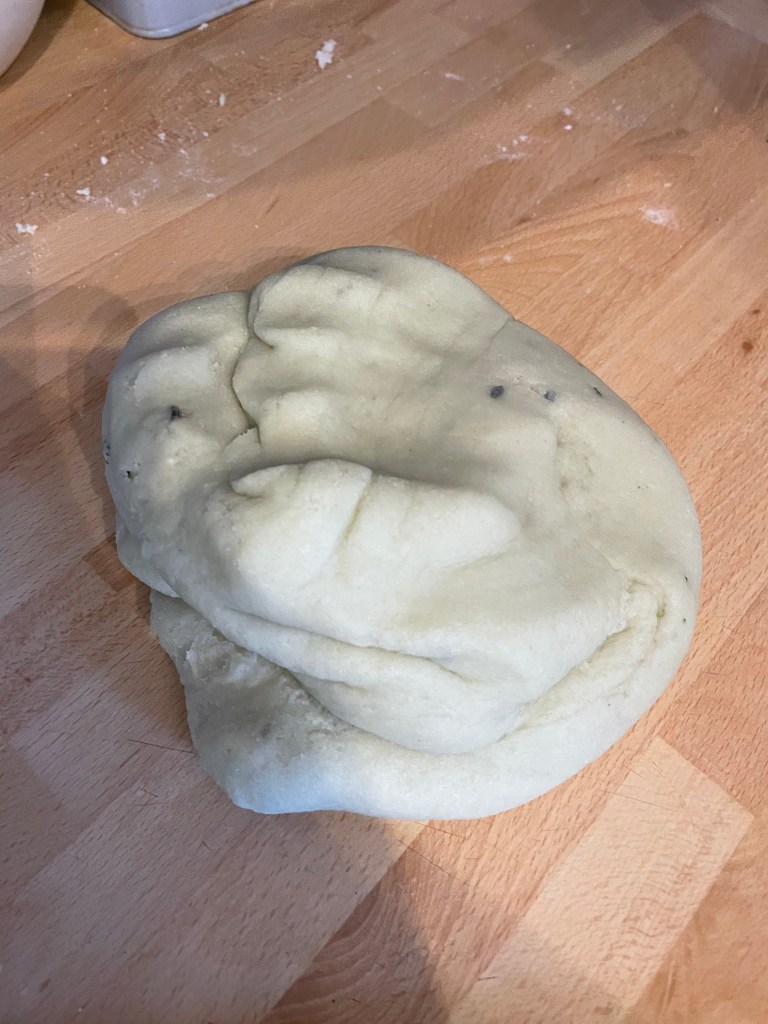
This Play Dough has an added sensory twist with dried lavender and also I have added lavender essence.

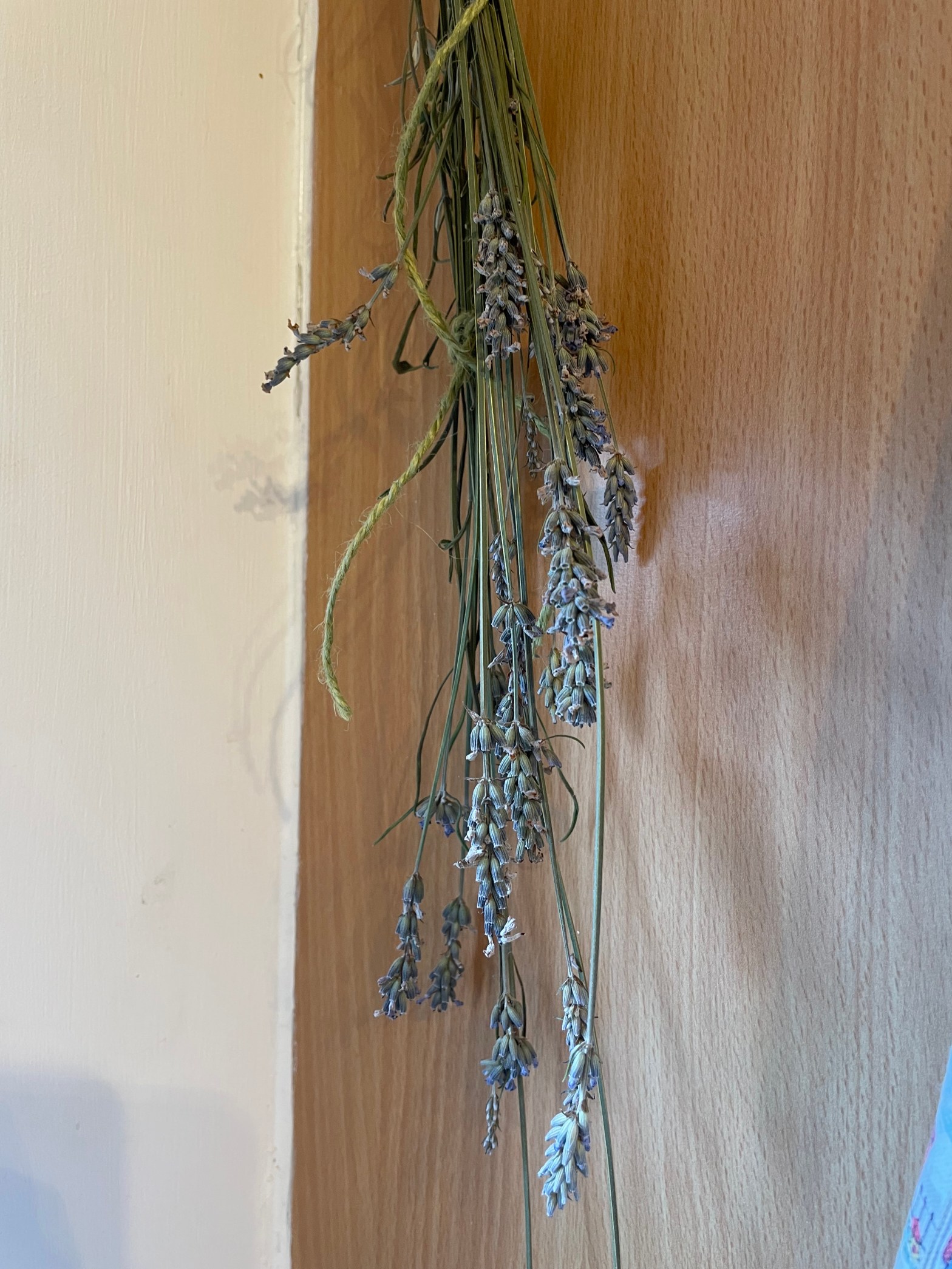
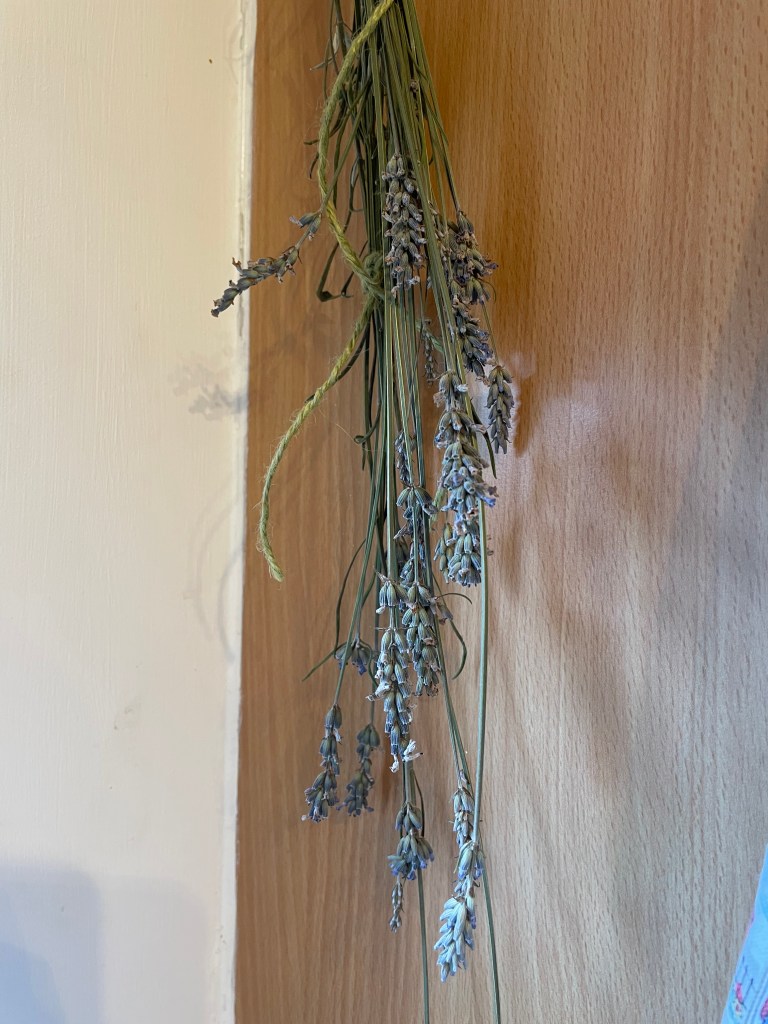
Lavender cut from the garden, hang upside down for. a few weeks to dry then add to your Play Dough.

So if you are stuck for something to do or just need a calm down activity, have a go at making Play Dough. You don’t need to add the lavender so don’t let that put you off making it.

The Recipe…
This Play Dough is also completely edible (admittedly you wouldn’t want your child consuming this much salt – but I don’t think it would get that far).Β 

The recipe is…

1 Cup of free running salt

2 Cups of plain flour

1 tablespoon of vegetable oil

2 Cups of boiling water (straight from kettle). 

Edible glitter, dried lavender or dried herbs – optional

Food Colouring – optional

Cream of tartar – again optional but it helps it last longer. 

It’s so easy to make:

Simply mix everything together

When all ingredients are mixed and it looks doughy pour out onto your floured worktop and knead until a good consistency.
(I have added green food colouring, but I am not sure you can tell!)

You also don’t need lots of fancy equipment to play with it either. If you can add a rolling pin, a spoon and some pots and let their imagination take over.