Creating a bedroom that supports Executive Functioning.

I’ve been wanting to make my little ones bedroom work for him. Especially in the area of Executive Functioning (EF). So using the opportunity of self isolation I’ve been given the time.

Some of the different things I have already talked to you about in other posts, but here it is all in one place. I’ve used the context of the bedroom as a base for all of these different strategies, but they can be used in any room. You just need to decide what works best for you and your family.
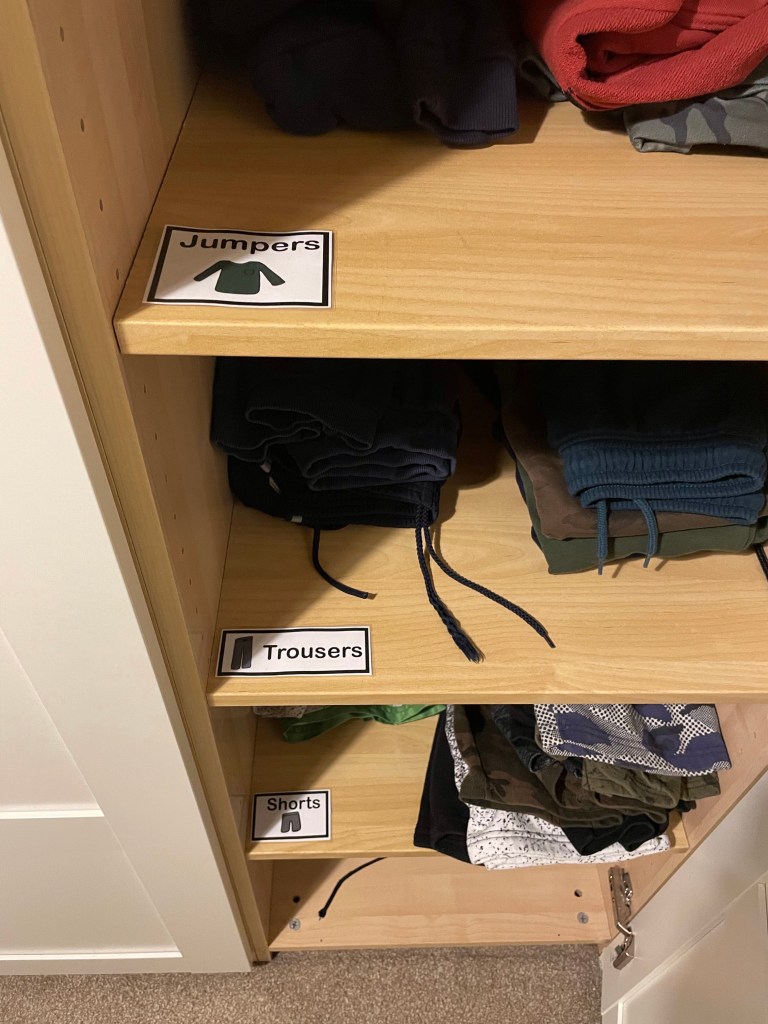
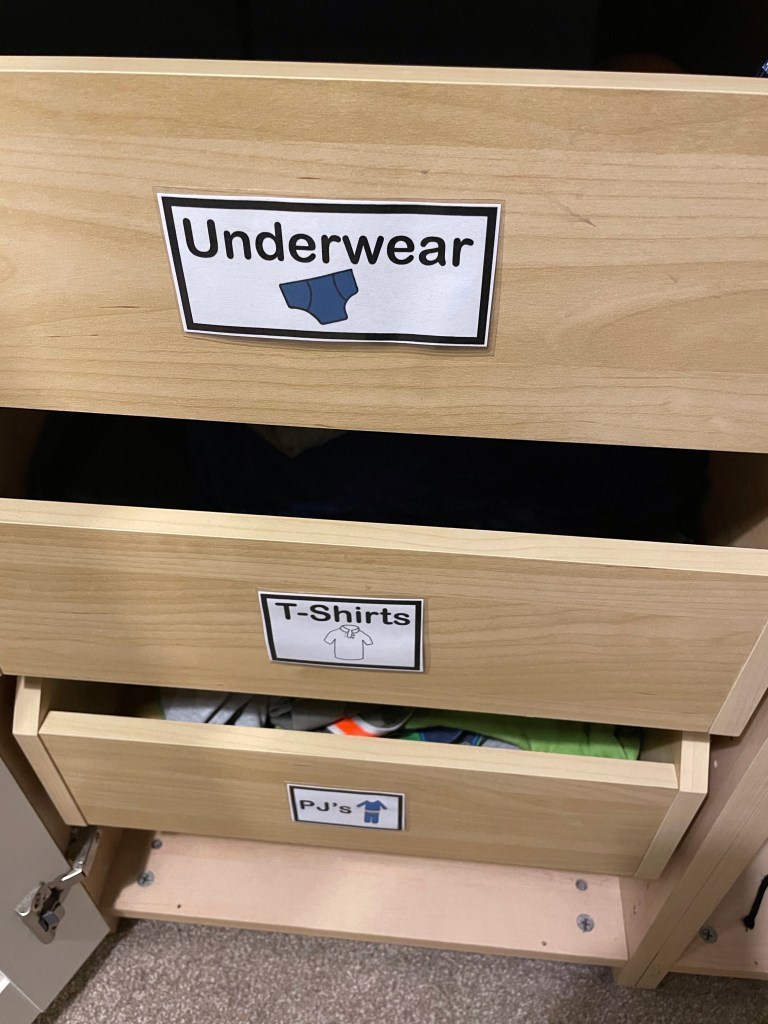
Labels for clothing

Labels for clothing – These labels are for a dual purpose. Mainly as a reminder for what he needs to wear, linked with a routine chart (coming later). But also at the moment if you ask him to tidy up, he literally can’t remember where each item goes. Jumpers end up with the trousers and so forth. I don’t mind if they are not put on the shelves properly, but it would be good if they were on the right shelf.
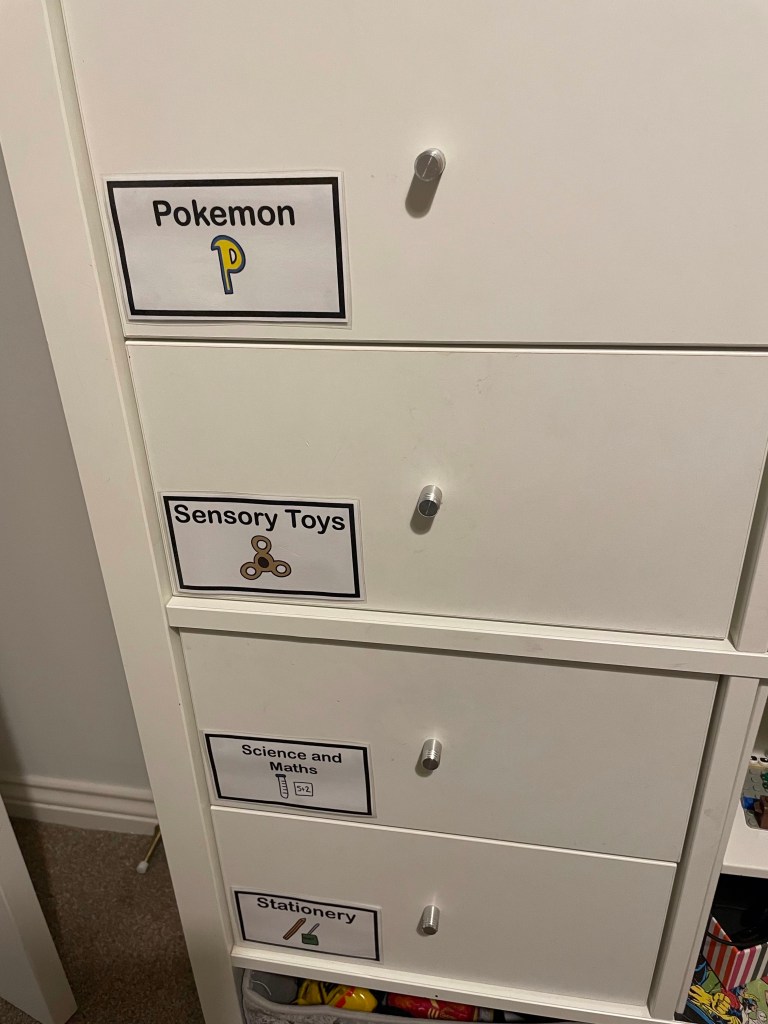
Drawer labels

Drawer Labels – At the moment he struggles to know what to play with. It’s important for all of our sanity that toys are tidied away. He would love it if toys were stored all over the floor. But that is just not possible. But the problem with keeping things tidy is that everything is hidden and therefor he doesn’t bother. He won’t think I want to play with that or that. He just doesn’t go looking. He can’t remember what he has. So drawer labels help him to know what he has, but also to know where to put things after.
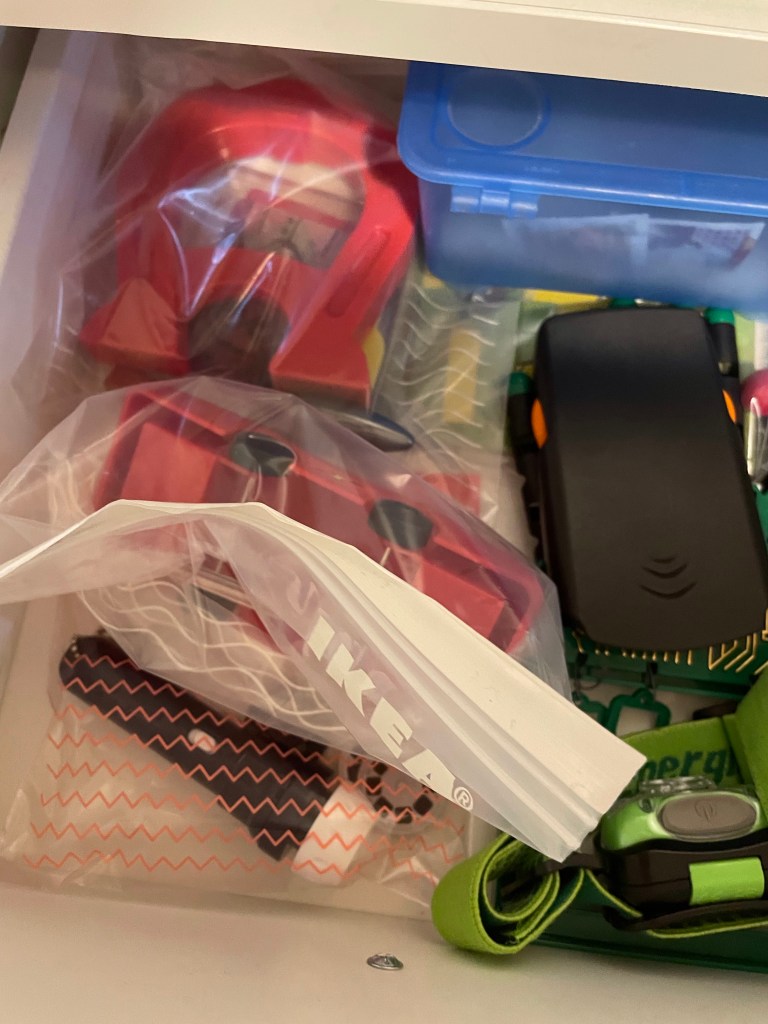
Everything is put into categories

Keep joint items together – Each item in this drawer if it has many bits are put together in a bag. Someone with ADHD won’t give something the time of day if they have to hunt for all the pieces. I’ve labelled each bag, but thats mainly for my benefit.
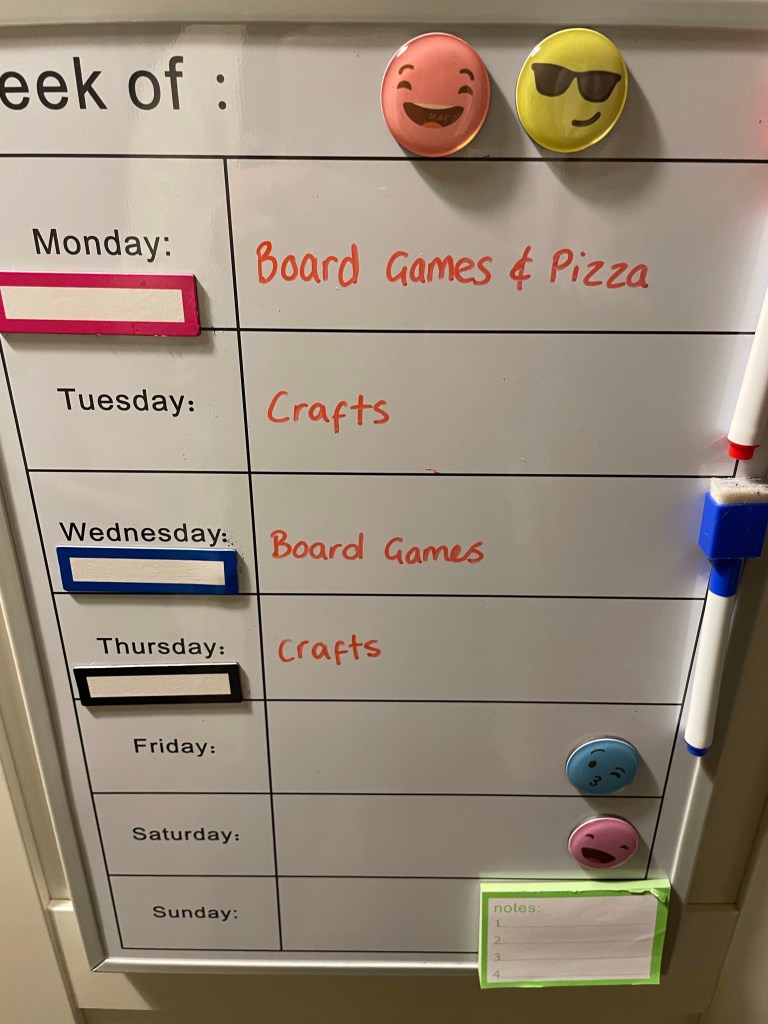
What’s happening this week

What’s happening this week board – In a previous blog I spoke about how children and Adults with ADHD see time. It’s not linear it’s just a jumbled series of events and how those events make them feel. This is updated weekly so he has quick access to what is happening during the week. He also gets time to process that certain activities that he doesn’t like as much are happening.
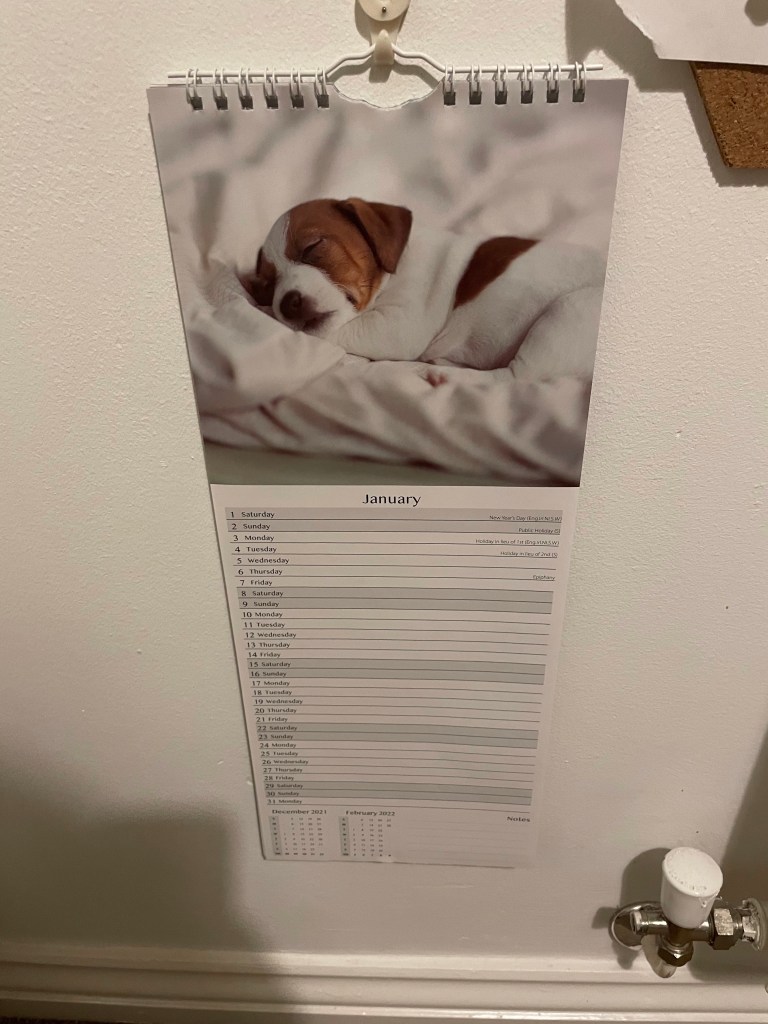
Calendar

Calendar – The calendar will again help him realise where in time we are and hopefully get him to realise the linear nature of time. I don’t want to wipe out the way he see’s time as I imagine it’s quite a wonderful way of looking at the world. But this will help him work in the way that most people do.
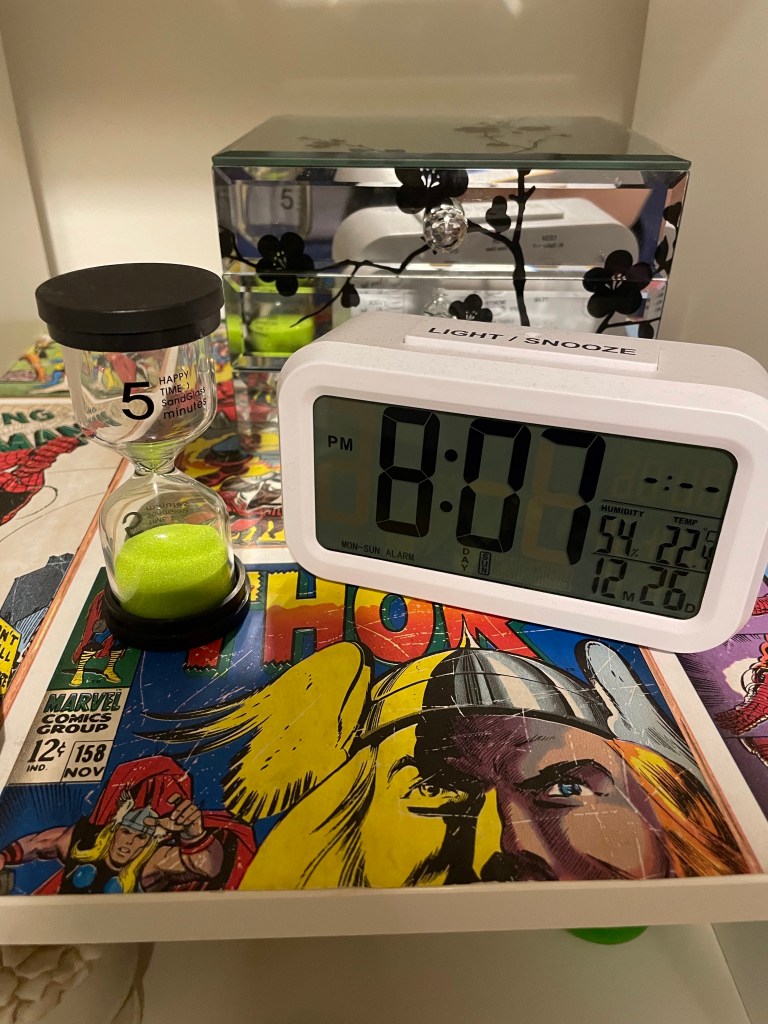
Clock and Timer

Clock and Timer – These are important things in our life. We bought a clock that tells him the time and day, but I also need him to realise what time it is. For example we start getting ready in the morning at 8am, this is so he can realise where we are in time. The timer is also a great tool, it keeps him focused. The other day I didn’t use any of the strategies (don’t ask me why!) and after about 10 times of asking him to get dressed I found him on the bed looking at something. When I asked him to get dressed again he said “O you wanted me to get dressed!” So out came the timer again!!
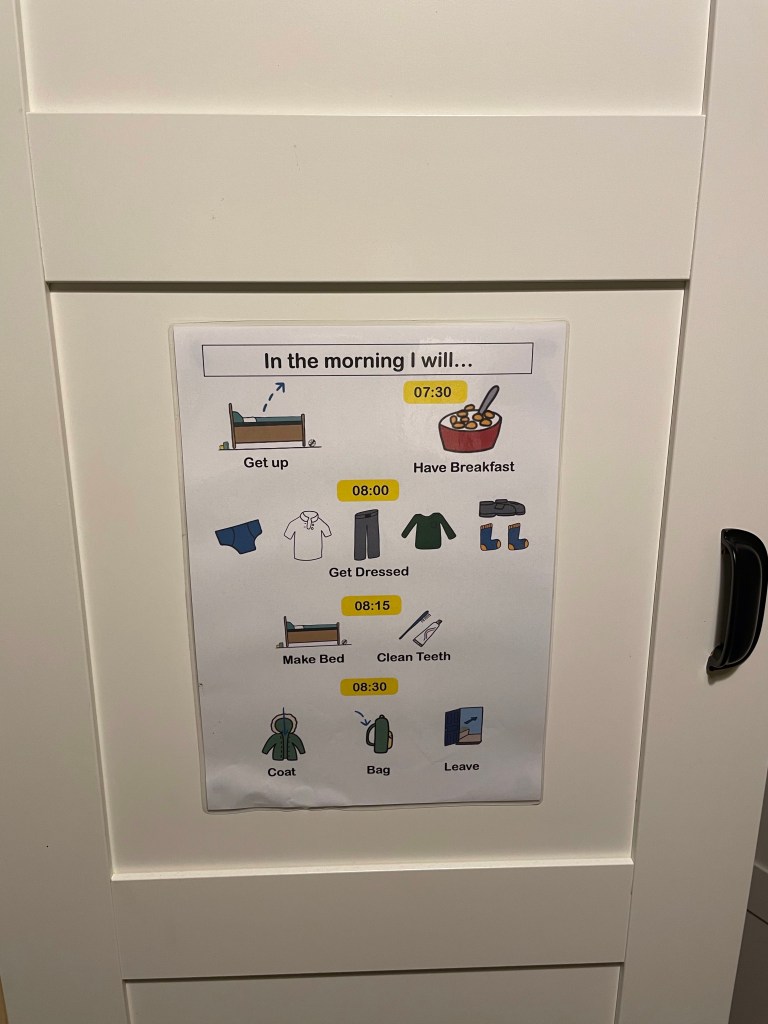
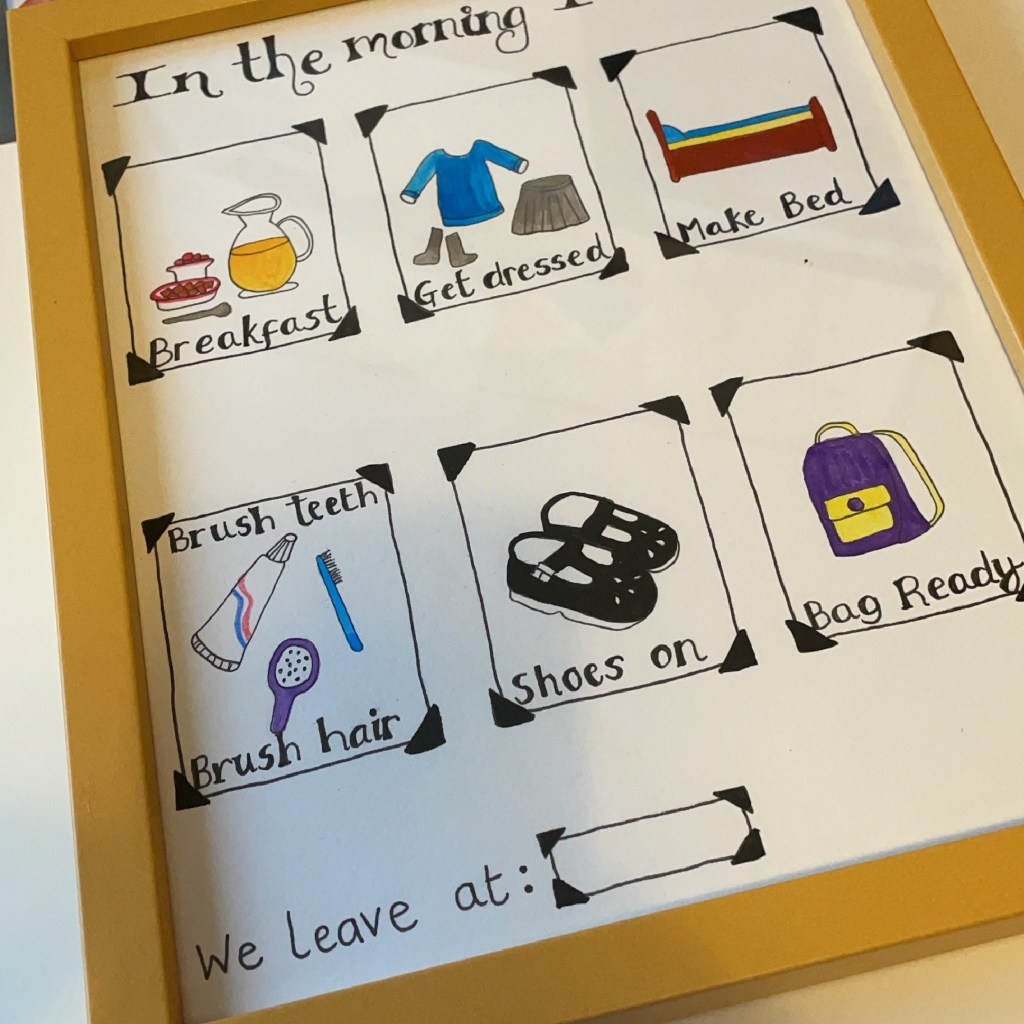
Morning Routine Chart

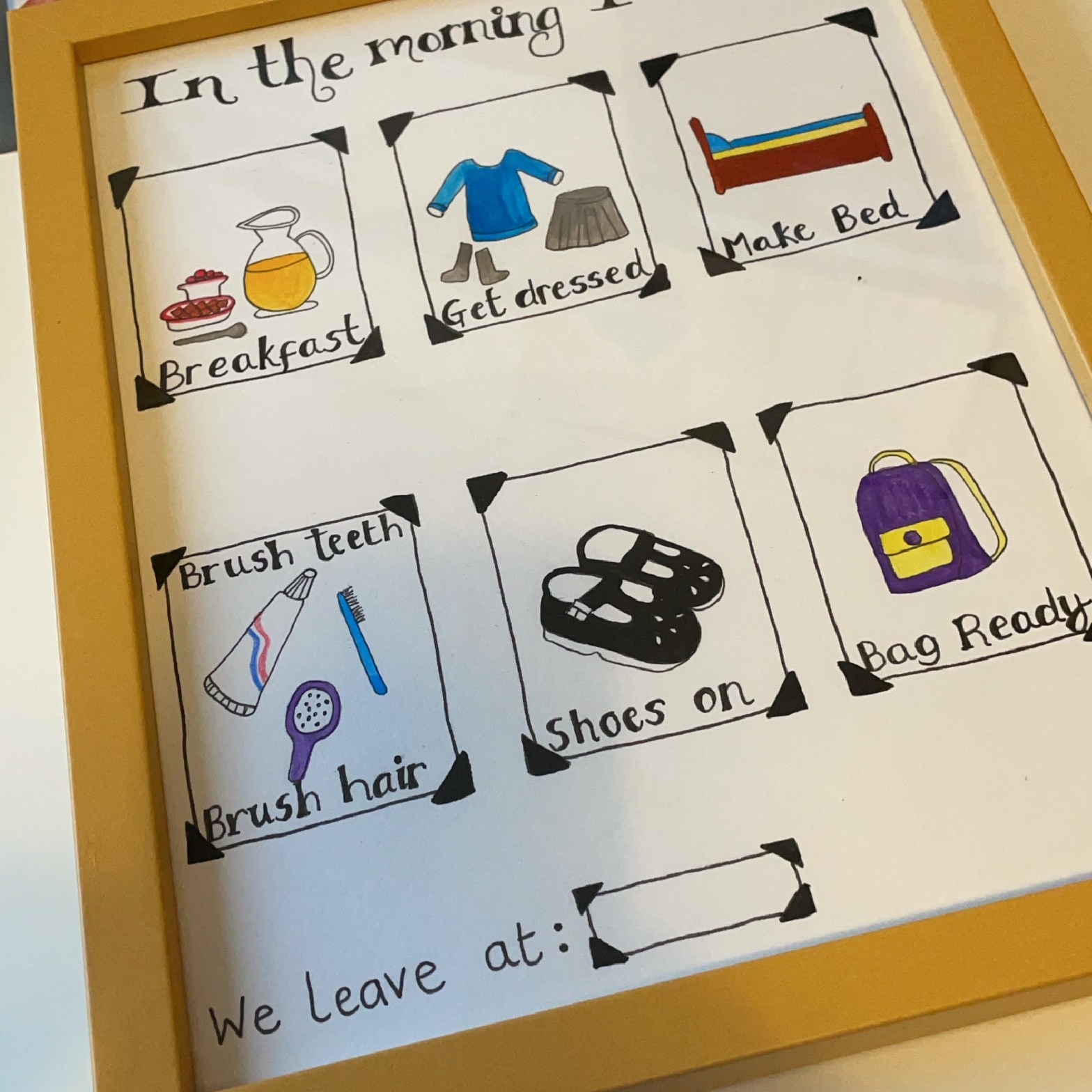
Morning Routine Chart – I’ve talked about this a lot, so won’t go into detail. But as you can see the labels in his wardrobe match the routine chart. So there is consistency.

I hope this helps you on your EF journey. I also hope it helps us on ours.
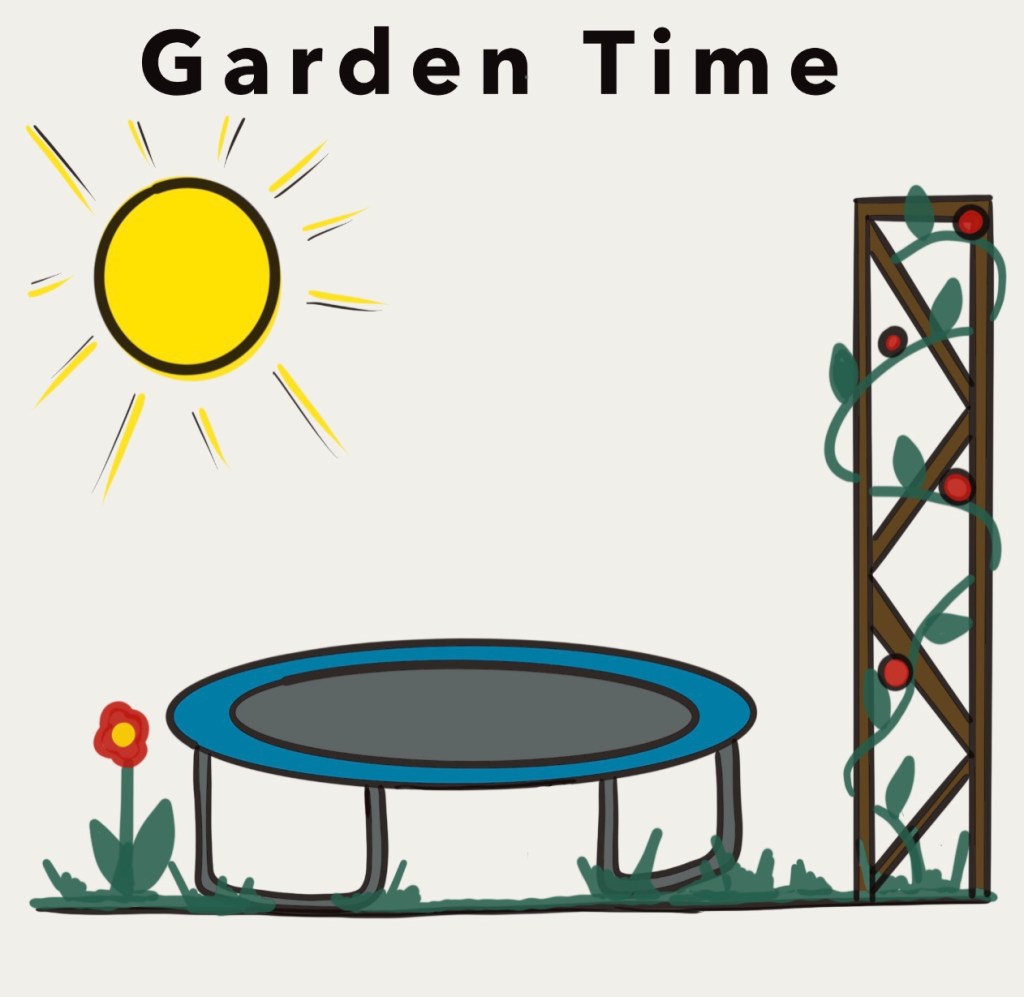
New pictures ✍🏽

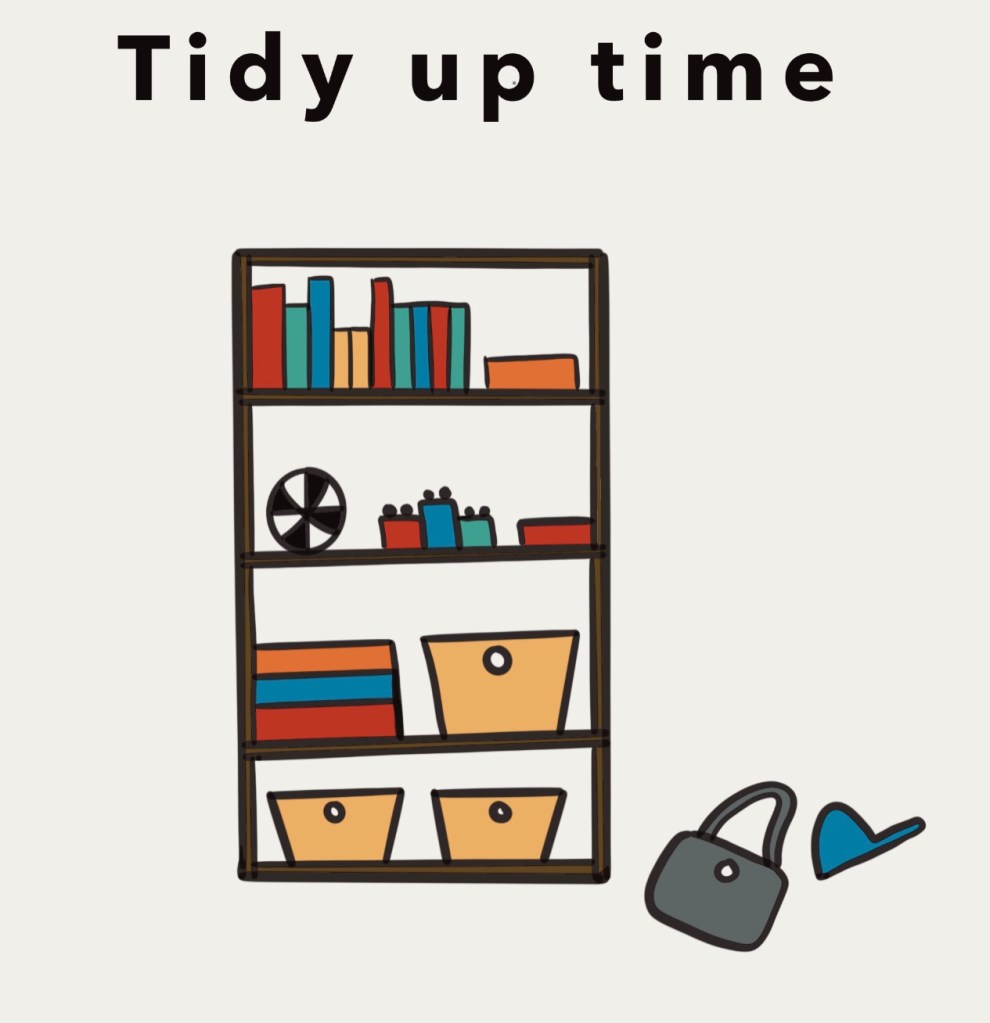
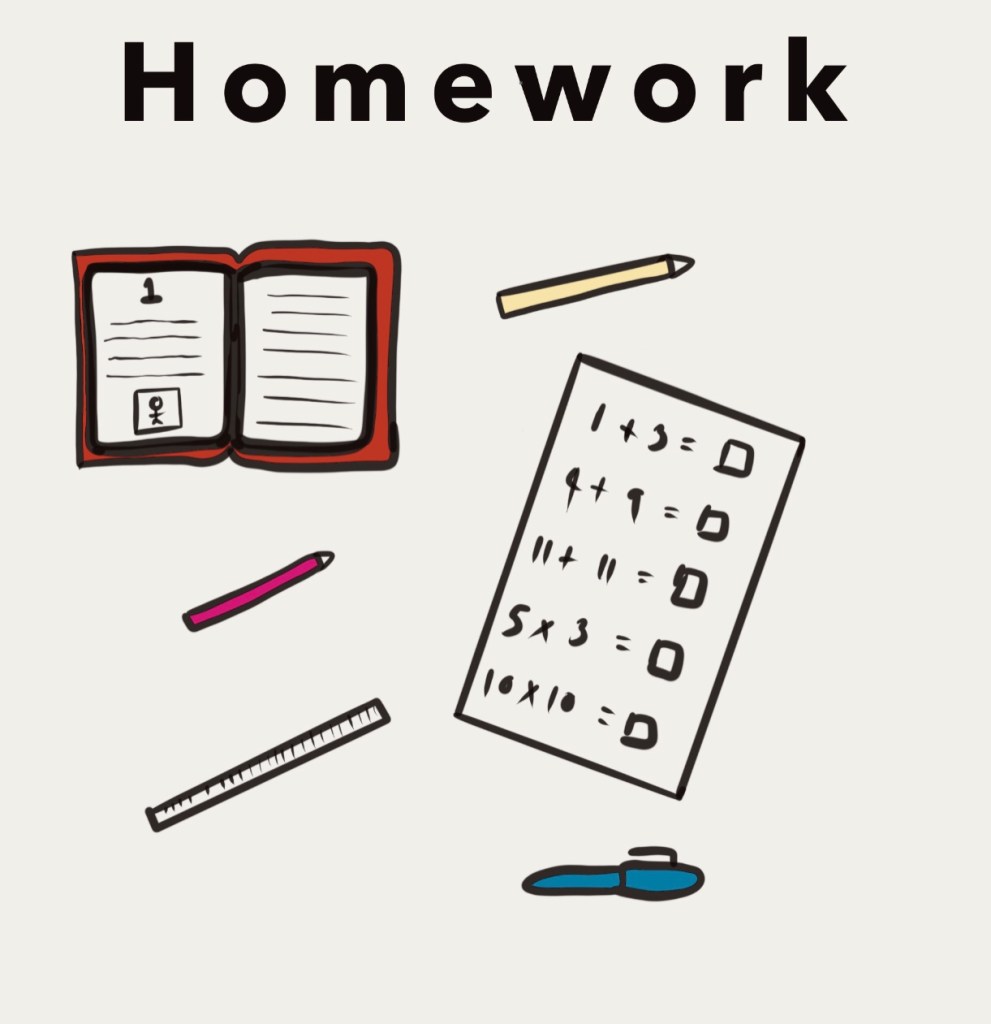
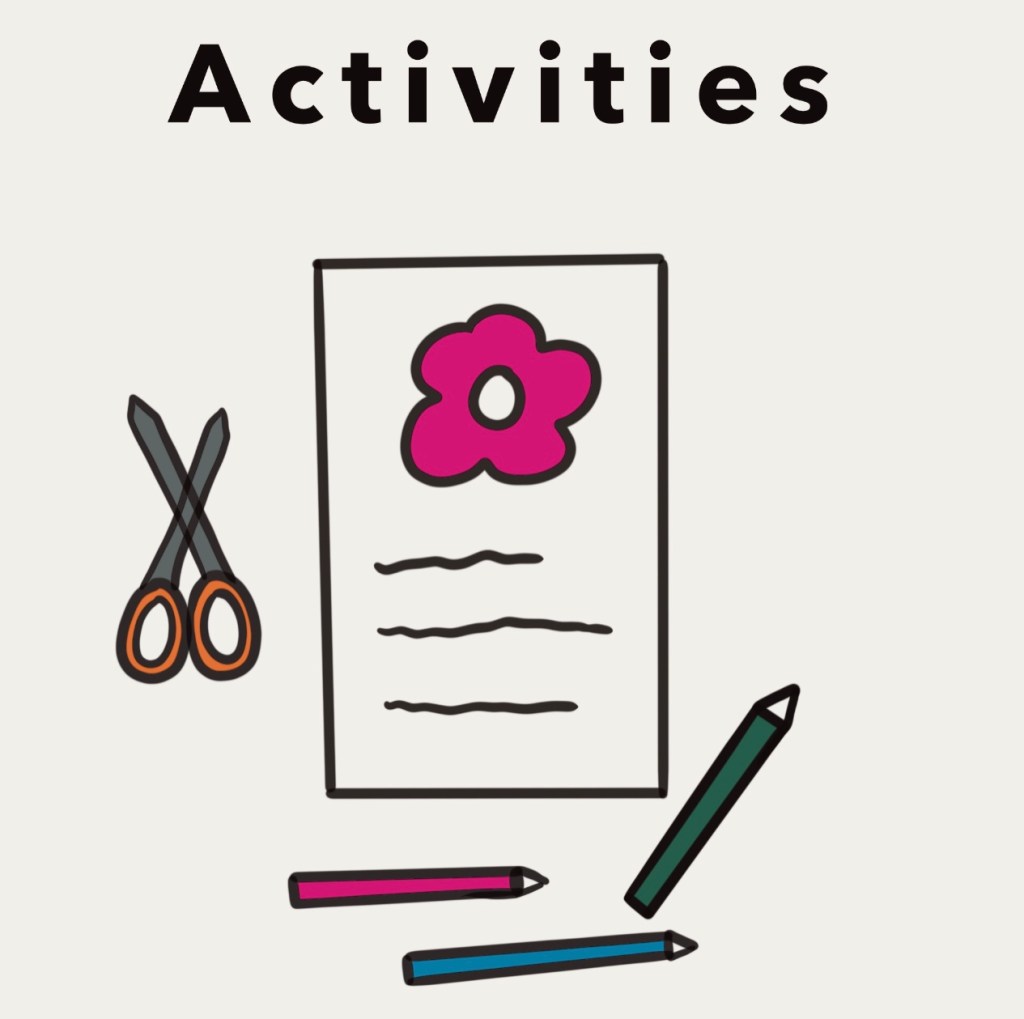
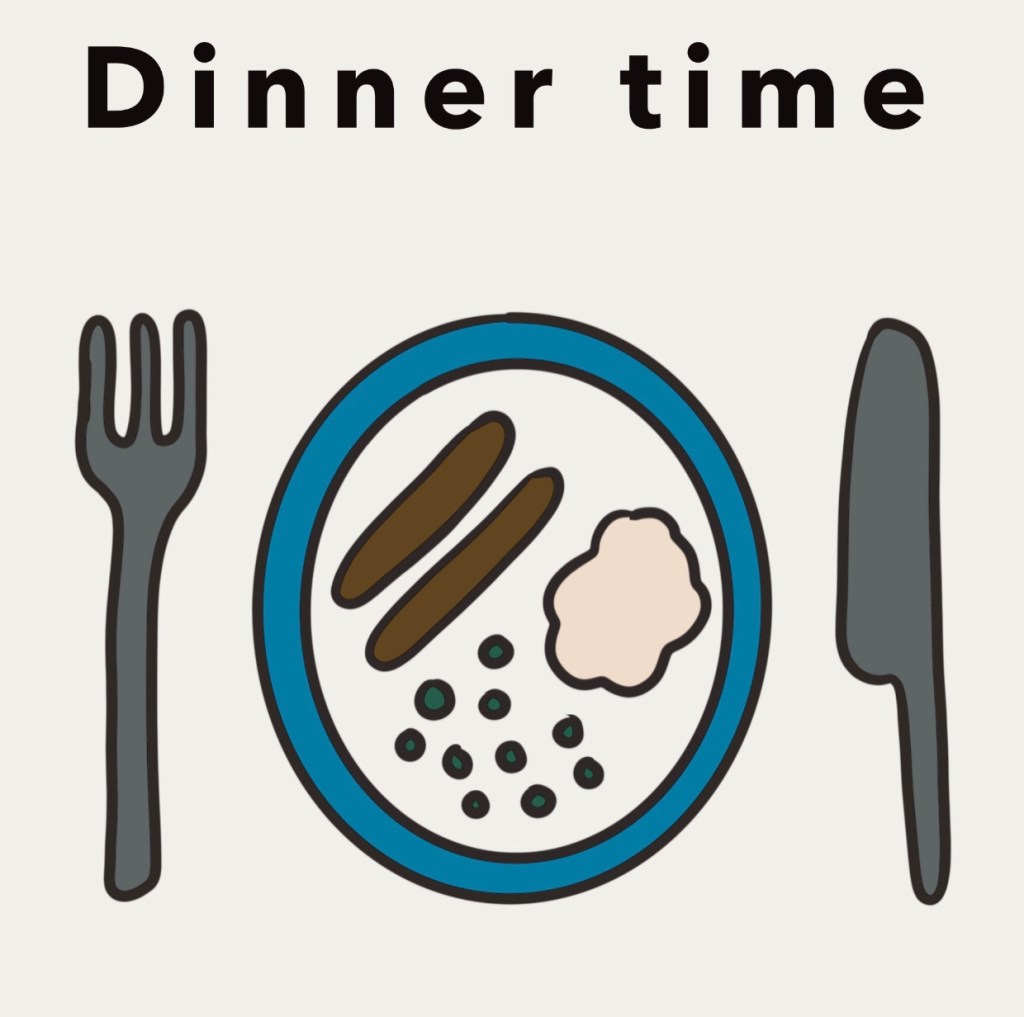
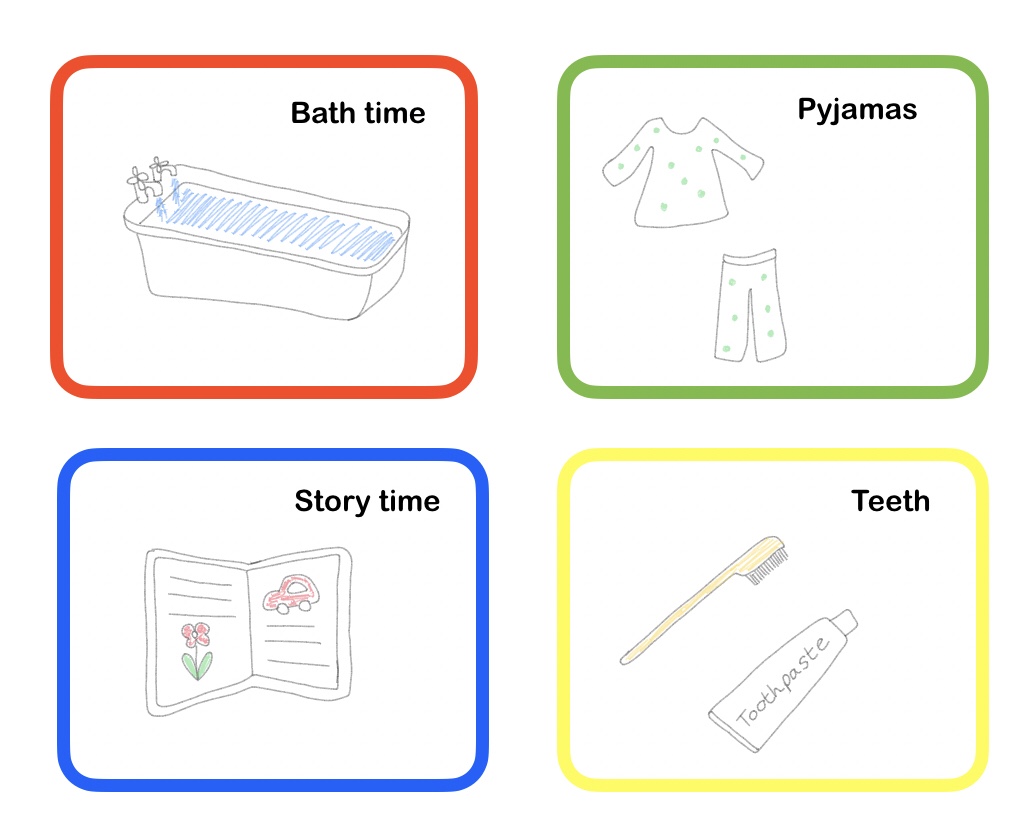
I’ve been spending some time updating my now and next cards. They are all hand drawn and can also be made into a picture time table.

If you would like us to make a now and next board for you or a picture timetable click here for prices. We can make up pictures that suit your routine also.

Let the picture timetable do the talking!

Using a picture timetable is another strategy you can have in your tool belt that may help those tricky times of day!

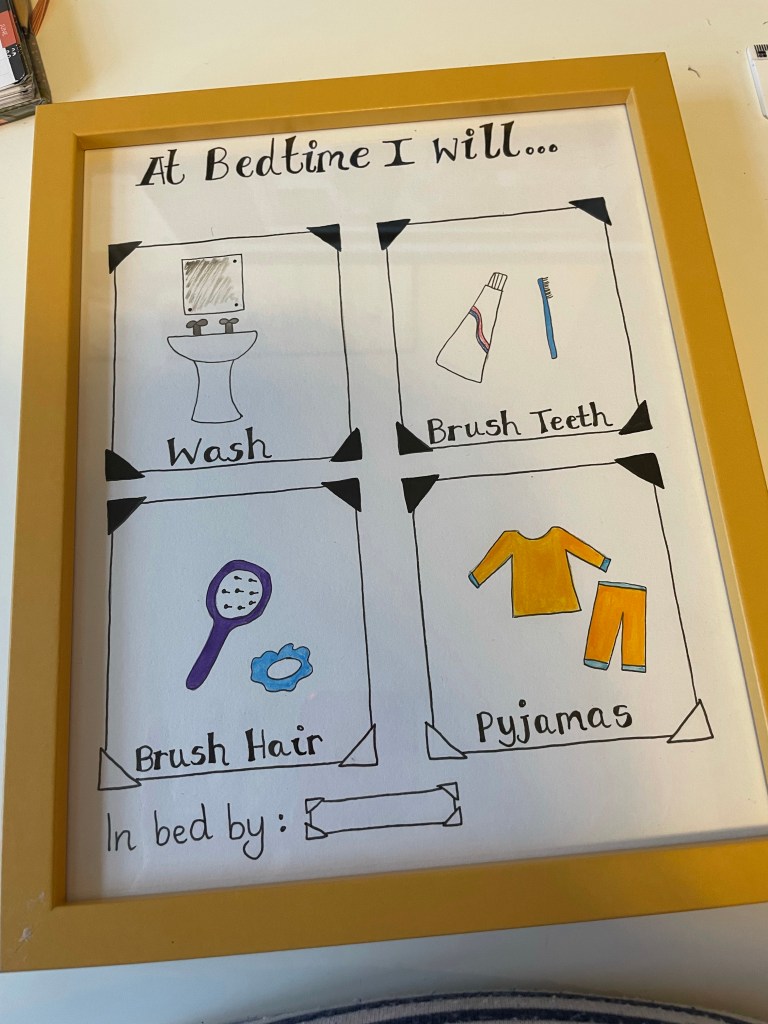
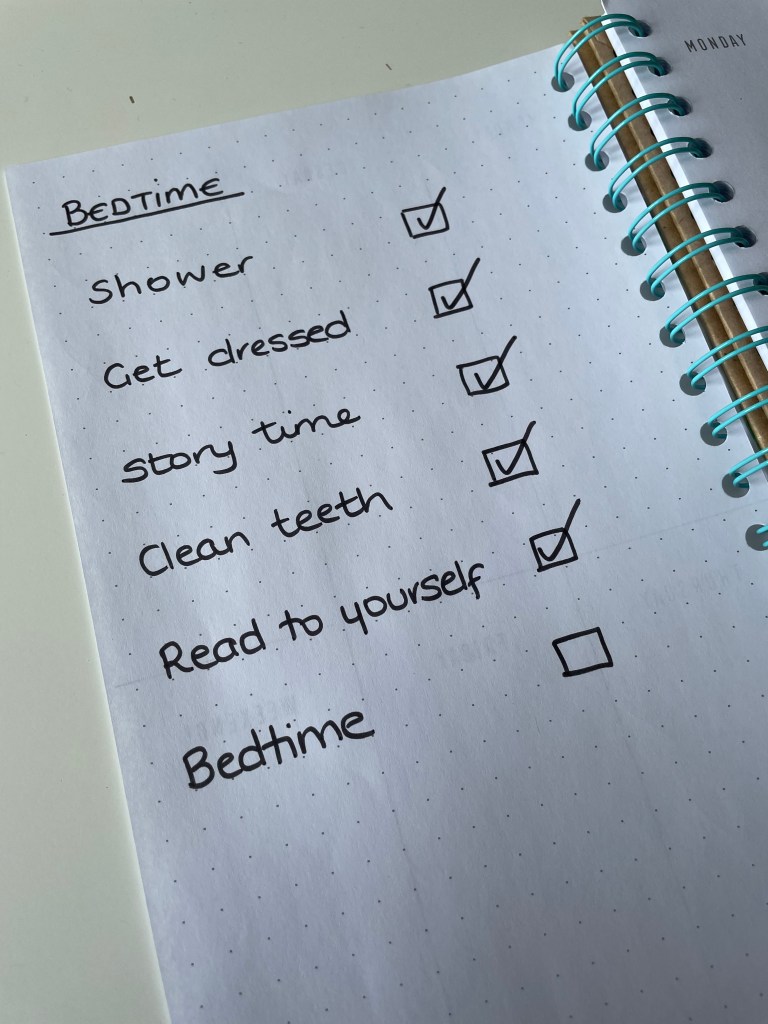
Very similar to a now and next board. But this time all the activities are all there in front of them and you tick them off as the activity is completed. They are really helpful for times like getting ready in the morning or getting ready for bed.

What is great about these frames is they become the authority; it’s not you nagging, its the frame telling them what to do.

So how do you use them? First break down the main activity into smaller tasks. E.g. Getting dressed is the main activity – break that down into small jobs, such as put on trousers, put on socks etc. You can either take photos or draw the items. Then put it in a picture frame. Make sure you put the frame in a prominent position, somewhere it will be seen and somewhere your child can reach it. When you are doing those tasks – go to the frame and see what the first job is. Do the job and then using a white board pen tick it off. Then look what the next job is and so on.

If you don’t feel confident in your drawing skills send me a message with the activities you want and I can make one for you for £10 or £15 for two.

My little one is a bit older, but I can now say – “go and look at the jobs on your frame” and mostly mornings are a million times better. But we have used the frame now for quite a few years.

The other great benefit of putting it in a frame is that you can wipe off the ticks and it’s ready for using again the next day. See if it works for you.

Transitions

Let me set the scene. You have been at a play group with your child for the last two hours and you have had a brilliant time. It’s time for the playgroup to finish and so you go over to your child and pick him up and say it’s time to go, then suddenly there is uproar. The tears start and the kicking starts and all you want to do is run! I haven’t yet met a single parent who hasn’t experienced this very scene.

All children find transitions difficult, whether it’s the big transitions such as starting nursery, changing classrooms or moving house or the small transitions such as leaving play group or having to stop playing because you’ve got to go and get your other child. Children with ASD, ADHD, Sensory Processing and other conditions find transitions particularly difficult too. Mainly because transitions require an element of flexibility, or they have to come away from an activity that they are hyper focusing on or for children with sensory processing, changing activity may result in a change of sensory input, which may be something they find difficult.

But for whatever the reason or whether your child doesn’t have a diagnosed condition there are ways that you can help all children cope better with transitions.

Prepare them – Imagine how you would feel if you were really enjoying something and then someone just came and picked you up and took you away from that really fun thing. You might kick up a fuss too. So prepare them that soon it is time to go. Even though they don’t understand time. You can still say things like we are going in 5 minutes, we are going in 3 minutes etc, but the act of saying that you are going a few times will help process the information and it may not be as difficult for them.

Prepare yourself – Get ready to go yourself before you start telling them it’s time to go. That way as soon as you have told them it’s time to go, you actually can go. They don’t have to wait around for you to get ready or more likely run back to the activity you’ve just managed to get them away from and you have to start the whole thing again.

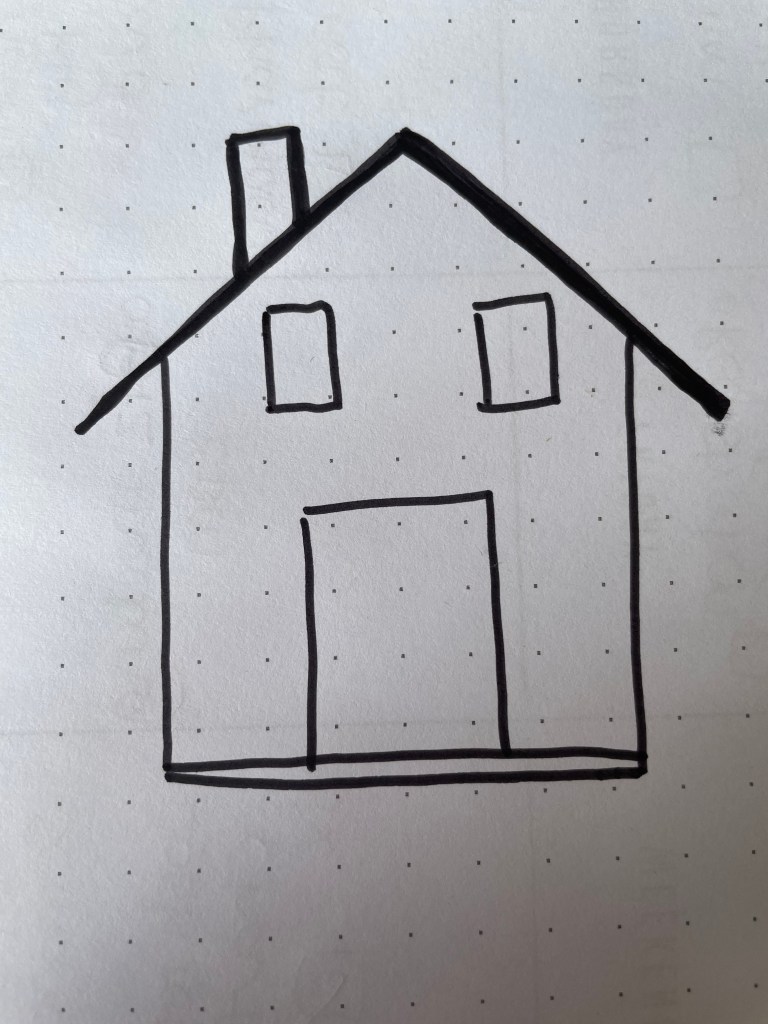
Simple Visual – At work with children who struggle to leave and go home, I have a very simple drawing of a house, that I can show them a few times, whilst saying it’s time to go home. The visual re-enforces the point that it is home time and also can draw their attention away from the activity. You don’t have to be a super artist, but it really supports what you are saying which is ‘we are going home’. Or for example you needed them to go to the toilet, you could draw a picture of a toilet etc.

Visual Timetable – Using a visual timetable again supports your communication of what is happening throughout the day. When we go on holiday and my little one gets confused because of the change in routine. I simply draw a picture for each key event of the day and then we can refer back to it when he needs to know what is happening.

Tick Sheet – This might be better with older ones. But who doesn’t like a to-do list. The key with this is your child is part of actively ticking off the event so they know that it is now finished. It can also show what is happening next.

Now and Next boards – A few weeks ago I wrote a blog post about the benefits of now and next boards. The board has a visual card for each activity and it shows what your child is doing now and what they are doing next so that they are pre-warned about what is going to happen.

Singing – When my little one was really little I would always sing ‘twinkle, twinkle, little star’ when it was time to put on his coat and whilst I was putting on his coat. He knew that when I started singing it, it was time to put his coat on. There are also lots of songs on youtube you could use about tidying up for example that you could sing when it is time to tidy up.

Timers – These days you have timers available on your phone or watch. So you can easily say, “when the timer goes ding ding, it’s time to let so and so have a go with the bike” or you can let them know that when the timer goes off its time for lunch or time to leave. Sand timers are also a really great resource so they can see how long is left.

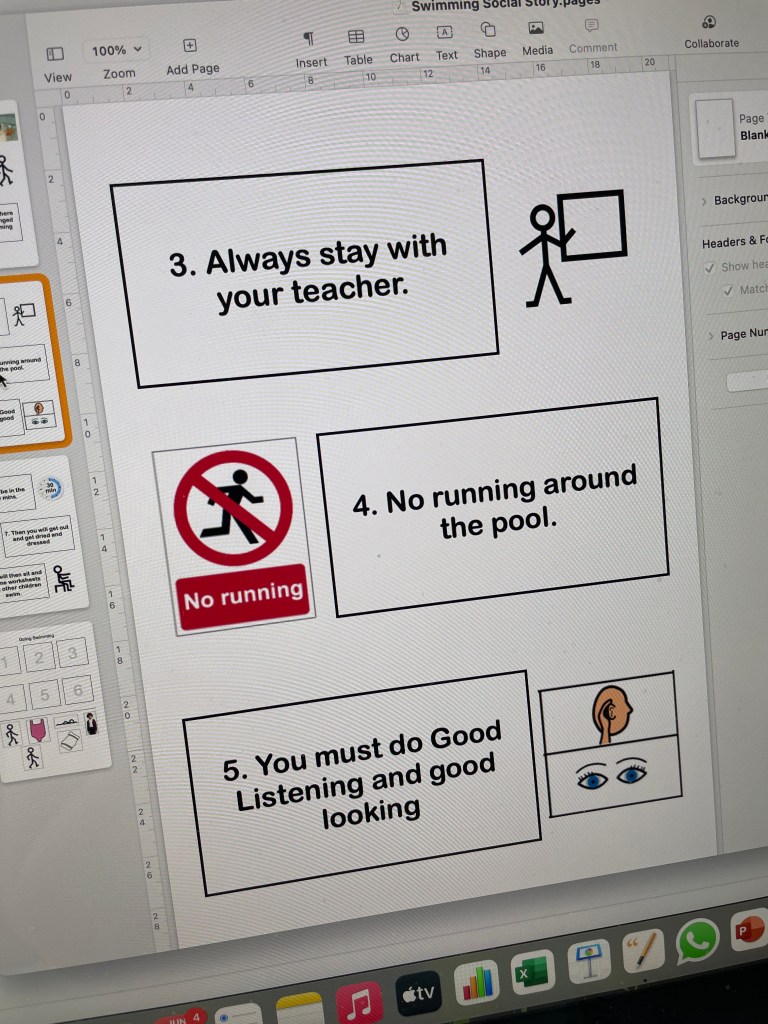
Social Stories – These are mainly for big transitions such as support with what to do at play time, or moving classes or moving house. But they are a great resource, if you are wanting to really show what will happen and what is expected of them.

Now I am not saying for one minute to use all of these strategies. You need to find the strategy that is right for you and your family. I sometimes use a different strategy depending on the situation. But you will find what works for you!

Hopefully with a few of these in your parent tool belt, you will feel a bit more confident in those times where in the past transitions may have been tricky!

Now and Next

Have you ever been in that place, where your child has just not understood what is happening now and after. They get upset, you get upset (because normally it’s a time when you just need that thing to happen ) and then what should be an easy thing ends up being really tricky! Well it’s happened to me a lot!

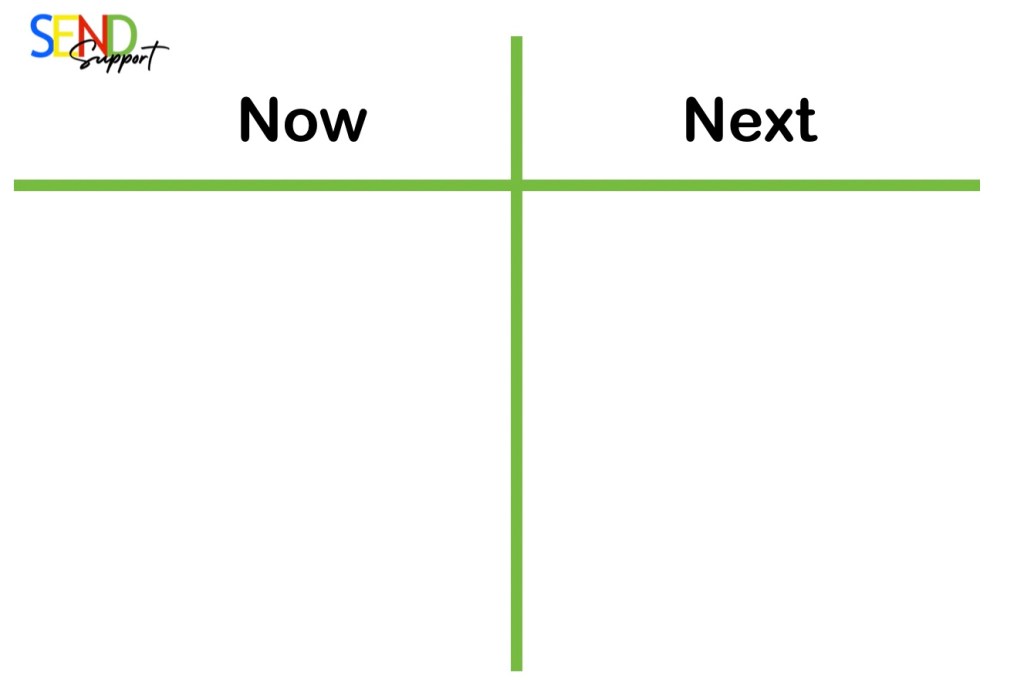
Here is where a now and next board comes into its own! Now and Next boards are great for all children. In it’s simplest form it tells your child what is going to happen now and what is going to happen next.

Now and Next board

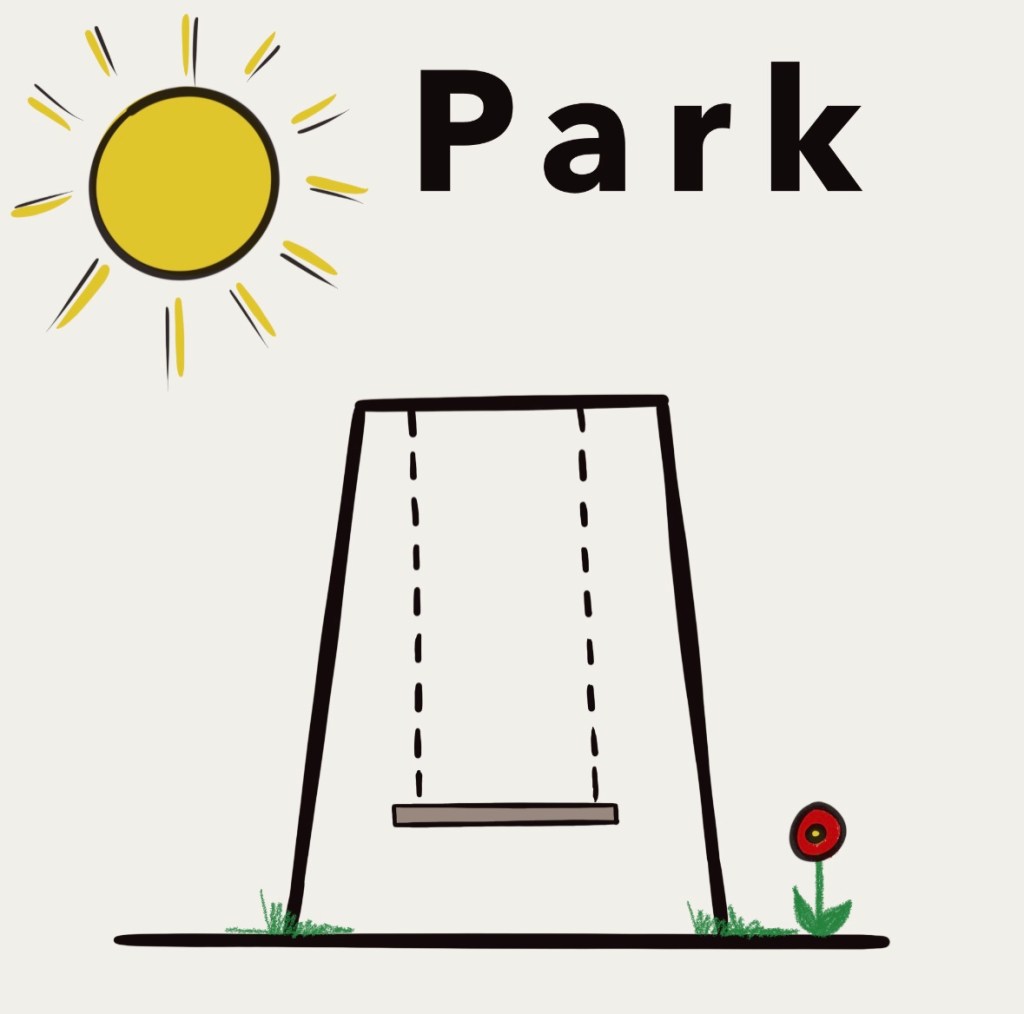
Now and Next boards are great for transitions that your child finds tricky, such as leaving the park.
You would have a picture for leaving the park in now and in the next column a picture of say, lunch or seeing nanny! The child can then realise it’s not just about the fun we are having now, but what will be happening after, which children find very difficult to do as they are all about the NOW!

There are a number of ways you can use the board….

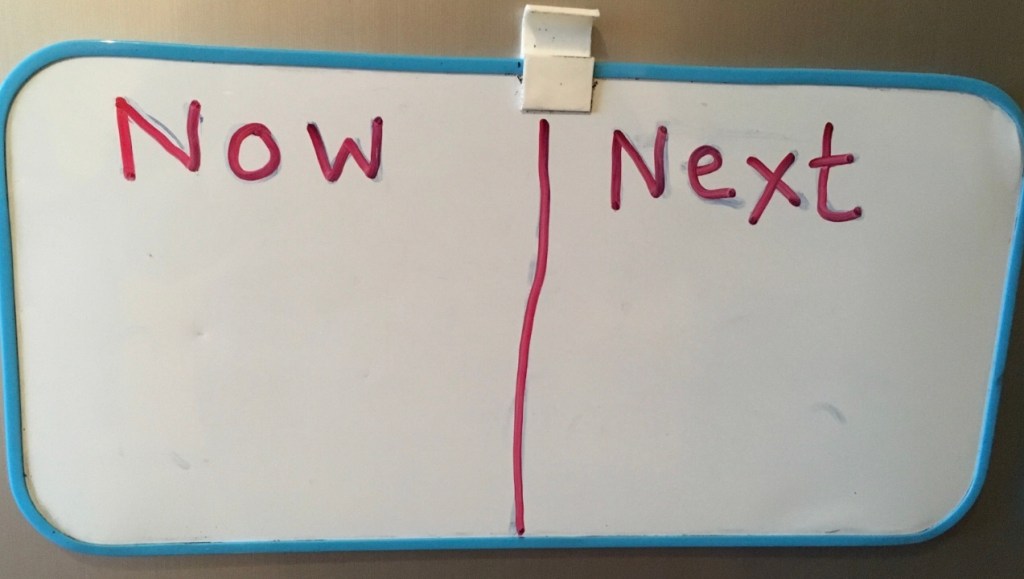
1. You can laminate it (always best anyway) and then draw on funny pictures to represent the activity in white board pens.

2. You could add Velcro to the board and have pictures ready made for each of the activities and then put on a new picture every time it needs changing.

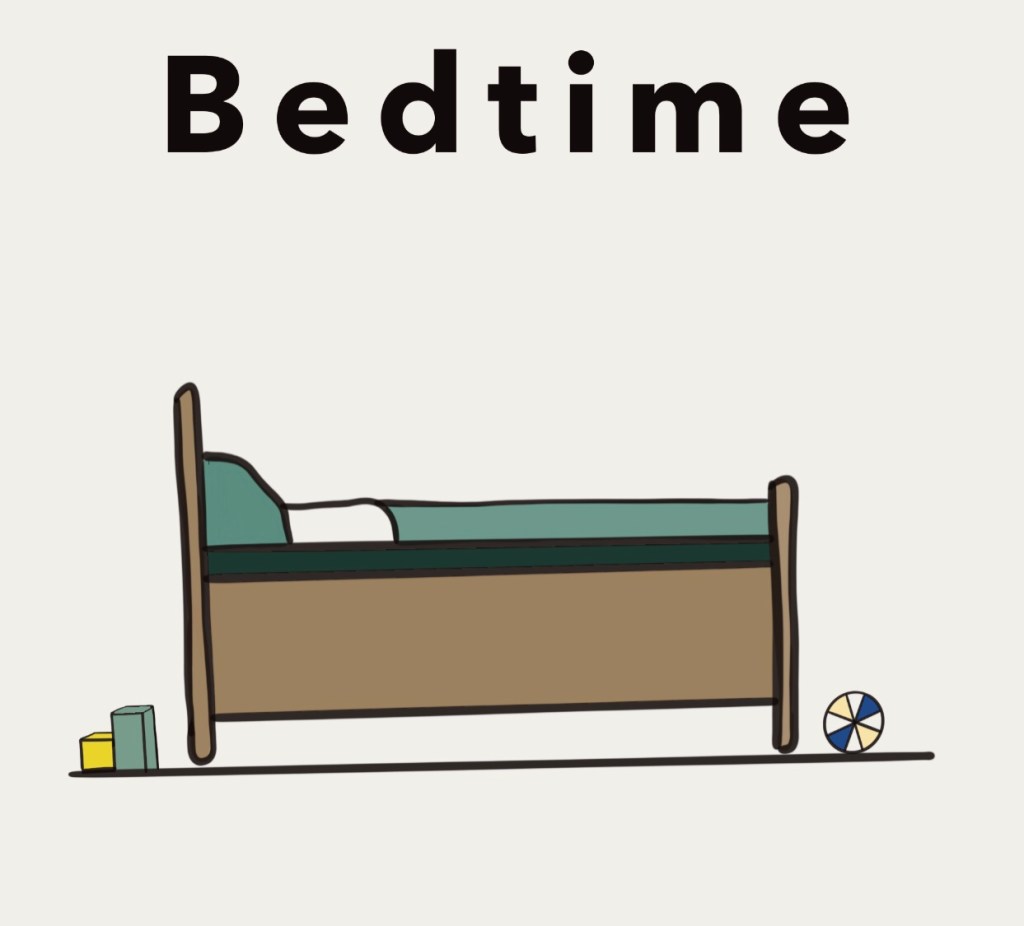
Bedtime routine pictures

3. Or if your child can read, then just use a white board and write on what is happening now and next.

I have included for you as a FREE download a Now and Next Board with cards for the bedtime routine.
– Print off
– Cut out the cards
– Laminate (Optional)
– Either use Velcro or blue tac to stick on

If you don’t have a printer or would just like me to do the hard work for you, message me and I will make up the bedtime kit for you £5 or if you would like different cards give me shout either through Facebook or by Email.