Why should I sing?

I recently had to write an essay about this subject and it inspired me so much I had to share some of my findings with you. I am mainly writing this to any parent who wonders why they should sing because they feel a bit silly or to the people who do song time at work but they don’t really know why and again may feel a bit silly! Let me encourage you never to feel silly again because what you are doing is immensely powerful and an incredible learning tool!
So why sing…

It supports language development
There are a number of reasons for this…
Singing similar songs time and time again builds vocabulary. If you sing sleeping bunnies a million times over, the vocabulary sinks in and if mixed with the actions or signing the words embed quicker and easier. There isn’t a right or wrong outcome with music and singing. They can choose to listen or join in or experiment, therefor the children feel more confident and safe to make mistakes and learn from those mistakes. It also helps with the techniques needed for communication, such as taking turns, intonation and expression.

It helps build attachment
This one is mainly for parents and main carers. The act of singing supports building a bond, when you sing you give eye contact, you laugh together, you hug and play. The moment you start singing your child is more interested in what is happening and is more engaged and therefore that bond/attachment deepens. I use to run a choir for mums with postnatal depression – and the positive effects of singing such as, lower blood pressure, increased happiness, sense of belonging then filtered down from the mums to the children. Because they felt stronger and happier the connection with their children grew. It was a privilege to watch over time.

It helps support focus and interest
There is something called ‘Infant directed Speech’ (IDS) – speech that has more exaggerated pitch and tones. (Young, 2017) We use greater facial expressions and body movements, which excite and interest the child, meaning they pay more attention. Dionyssiou (2009)states these types of interactions ‘contributes to babies cognitive development, regulation of emotions, and supports memory, language, learning and attentiveness’. During song time IDS is being used all the time and encouraging this in-depth development. But also encouraging children to take notice, to participate and join in. I also now sing a lot of my instructions, it means they focus in on what I am singing and most of the time do as I am singing. I’ve also said before how many times I have sung ‘Let it go’ from ‘Frozen’ and how it settles children and supports pre-verbal children to join in. It’s a great song!

It is brilliant for People learning English as an additional language (EAL).
Probably for all of the reasons mentioned above singing is also incredible for people learning English. Singing – Repetition, interest, safe surroundings all support language learning. “Researchers at the University of Edinburgh in Scotland found evidence that singing can help facilitate language learning. Sixty adults participated in the study, which involved 15 minutes of listening to Hungarian phrases and then repeating the phrases normally or through song. When the participants were tested on the material, the researchers discovered those who used singing scored higher than the others.” (Article) So at work I have a lot of parents join in the singing too and I love seeing their confidence grow as they join in.
So don’t feel silly any more. I use to wonder ‘why am I doing this?’ But not any more I am developing enquiring minds young and more mature and it’s great!! Also don’t feel the pressure to use CD’s and complicated versions of the songs, your voice is enough. “Babies do not seem as able to process the multiple strands of music on a commercially produced CD” (Young, 2018). A CD would make me loose focus on the benefits of singing. I might loose the facial expressions needed or the exaggerated intonation that is so important with this type of play and creativity. So dust off your vocal chords and have fun singing!
Speech and Play

Play is a fantastic medium for children to explore, learn and experience new things. Sometimes play and learning get separated into two categories and it is thought the two things can’t really meet. But this is simply not true.

Play and learning can intertwine perfectly and children can learn new skills (like pouring in water play) or how things move from one place to another (playing with cars) or even over coming fears through play (if a child is scared of a dog, then playing with soft toy dogs or playing dogs with friends, helps them to understand their fear and supports them to process their fear).

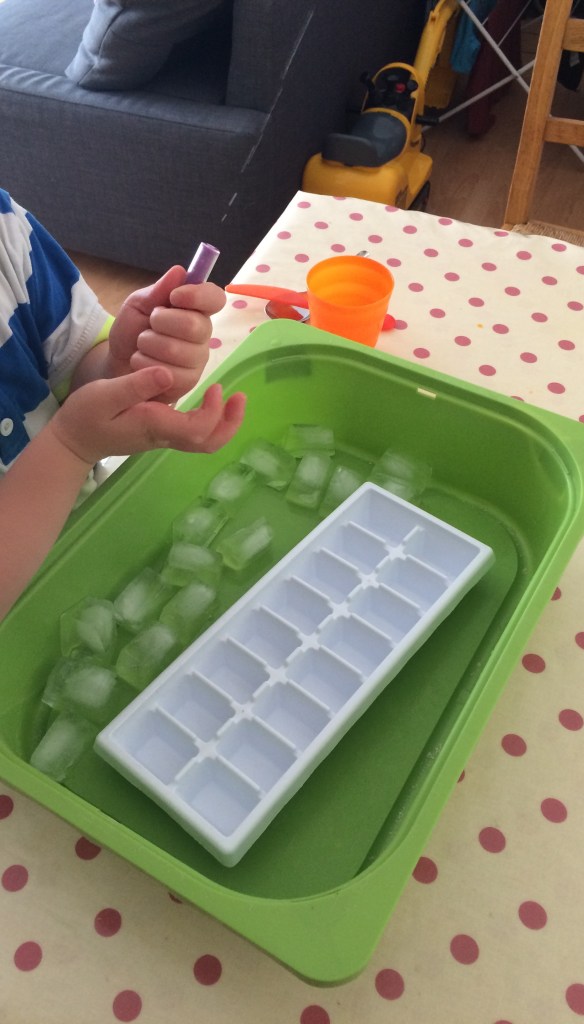
Water Play

So it stands to reason that speech can also be supported through play too. This is the same for children with additional needs and those without, all children can benefit in their speech through play.

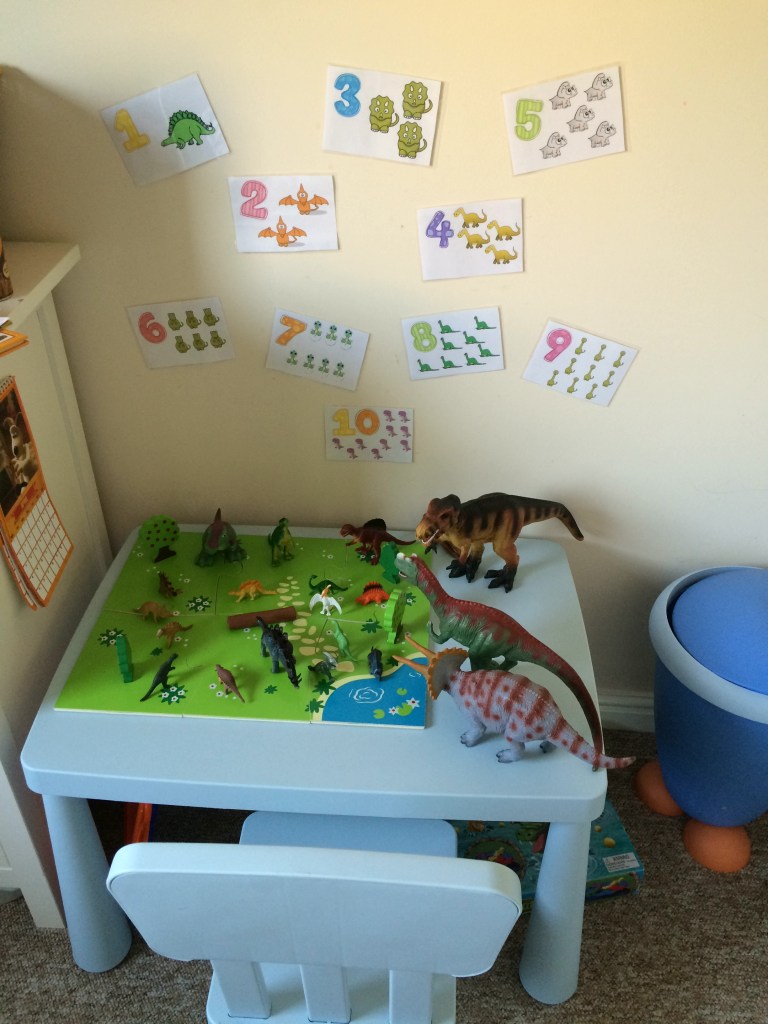
When a child is playing they use this experience to use the language they have learnt in their everyday. For example playing with cars, they may use the sounds they have heard cars make – vroom vroom. Or they may use language used around cars e.g. come on, over there, faster etc. Playing with dinosaurs can help explore sounds such as Roar and stomp. So even children with minimal speech can explore sounds and language through play. And through play, children can feel safe to use the language they have and to try out new words.

You can use play to also help support children learning new words. Play is very visual, so by you showing children the objects they are playing with and using the correct words to name them you are giving them a visual representation of what the word is and what the word means. For example, you are playing together with a farm and there is a cat, if you were to say the word for the first time and they haven’t seen a cat the word wouldn’t mean anything, but as you play you show them the cat, you help them hear the sound a cat makes and they have a real grasp of what a cat is. And as you play you as the adult keep repeating the word, you keep repeating the sound and gradually the child builds the confidence to say cat or to make the sound. This is a very basic example, but it gives you the idea.

If there are words or concepts that you are trying to help your child learn such as ‘on’ or ‘off’, then why not use play. ‘O no the bird has fallen off the tree’. Set up play activities that support the word or concept, and that really encourage language. Even balls going through a tunnel – ‘where has it gone?’

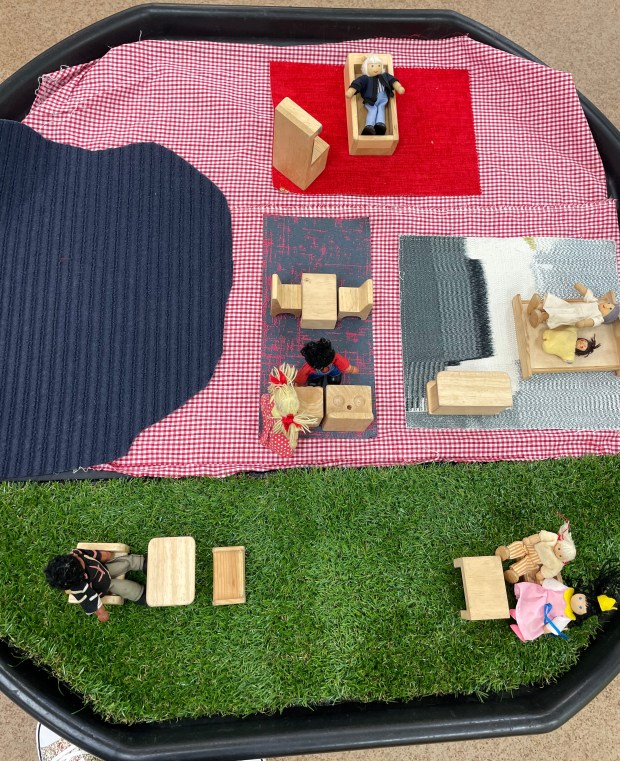
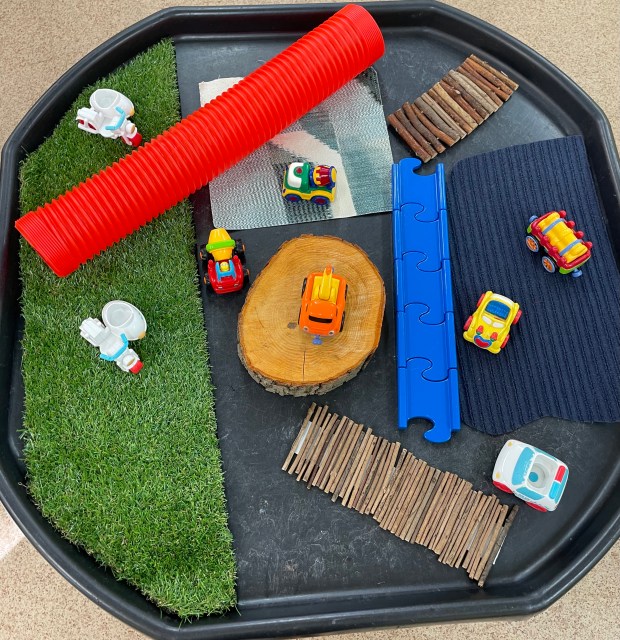
These are some trays I have made for work, but you could also make them just as easily at home with items you have at home.

You could use this type of play to support language about family members, household objects or inside and outside. You as the adult don’t lead the play, but you are involved and you use lots of opportunities to speak about these different topics.

This tray is about cars, but also about the different surfaces they are travelling on – language such as rough, bumpy, smooth can be used. You can think about the car is it going fast or slow. Again so much language can be practiced and introduced with a very simple set up.

For some children learning to talk has to be more intentional and can take a bit longer, but it can also be fun for you and them.

Relax with Play Dough

Every child loves play dough and it is a fantastic sensory experience. They can prod away or make sculptures. When working in school, play dough was great for supporting fine motor skills and if you want your child to stay engaged in with Maths just add play dough – so a small pot was always in bag.

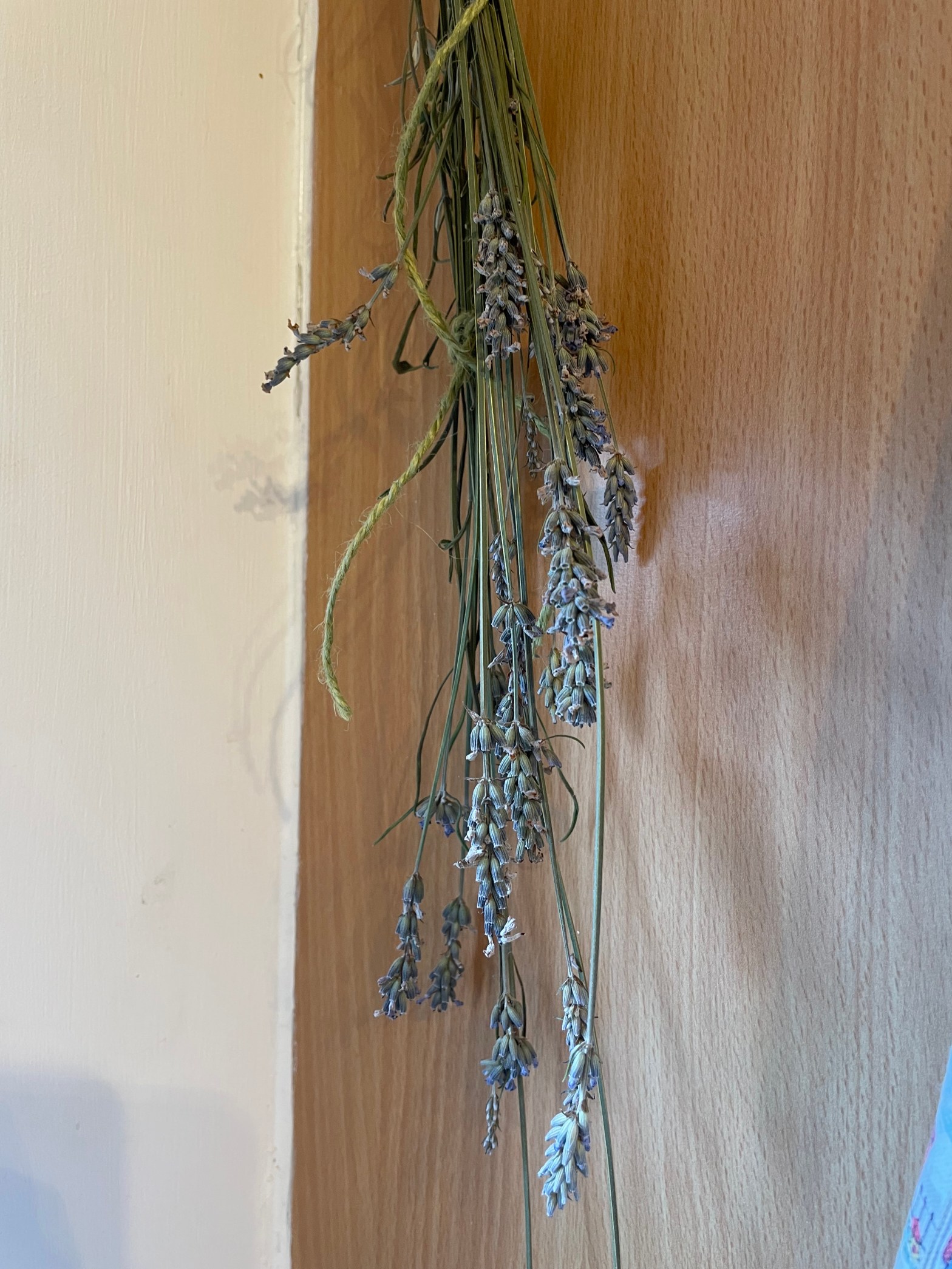
This Play Dough has an added sensory twist with dried lavender and also I have added lavender essence.

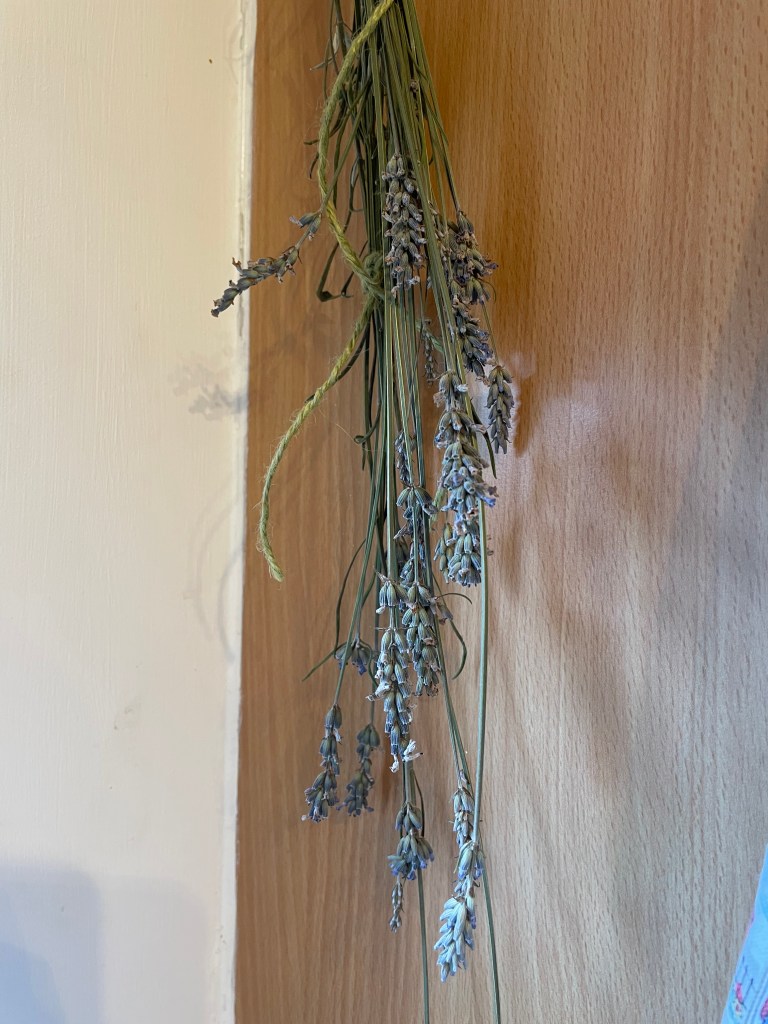
Lavender cut from the garden, hang upside down for. a few weeks to dry then add to your Play Dough.

So if you are stuck for something to do or just need a calm down activity, have a go at making Play Dough. You don’t need to add the lavender so don’t let that put you off making it.

The Recipe…
This Play Dough is also completely edible (admittedly you wouldn’t want your child consuming this much salt – but I don’t think it would get that far). 

The recipe is…

1 Cup of free running salt

2 Cups of plain flour

1 tablespoon of vegetable oil

2 Cups of boiling water (straight from kettle). 

Edible glitter, dried lavender or dried herbs – optional

Food Colouring – optional

Cream of tartar – again optional but it helps it last longer. 

It’s so easy to make:

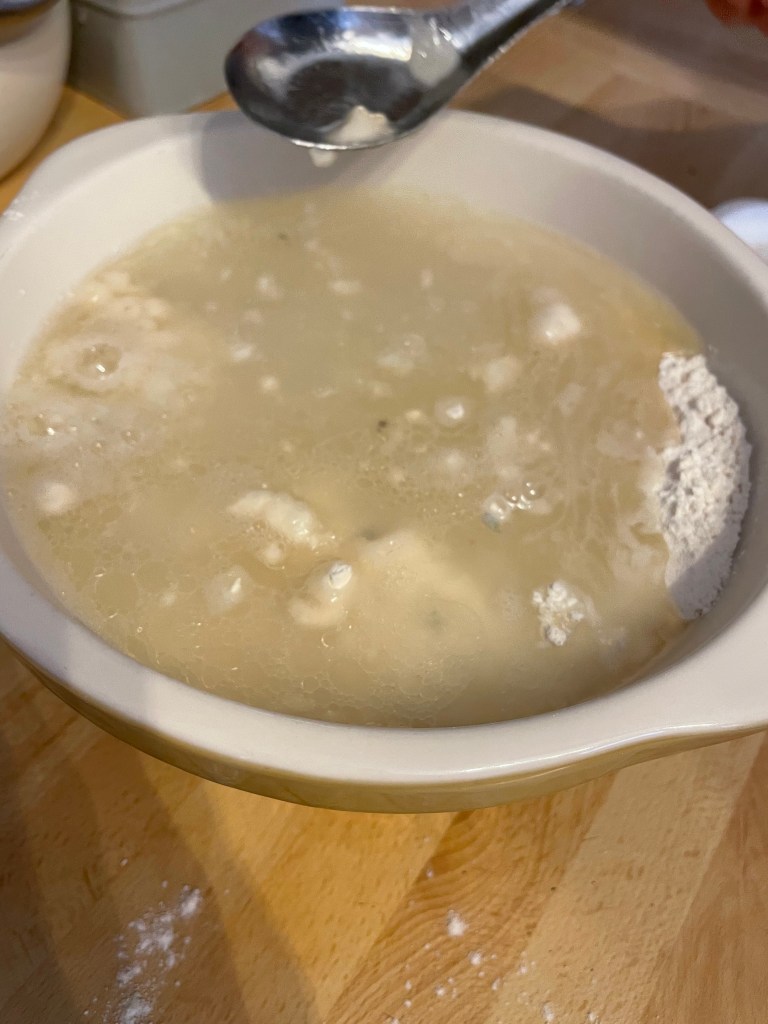
Simply mix everything together

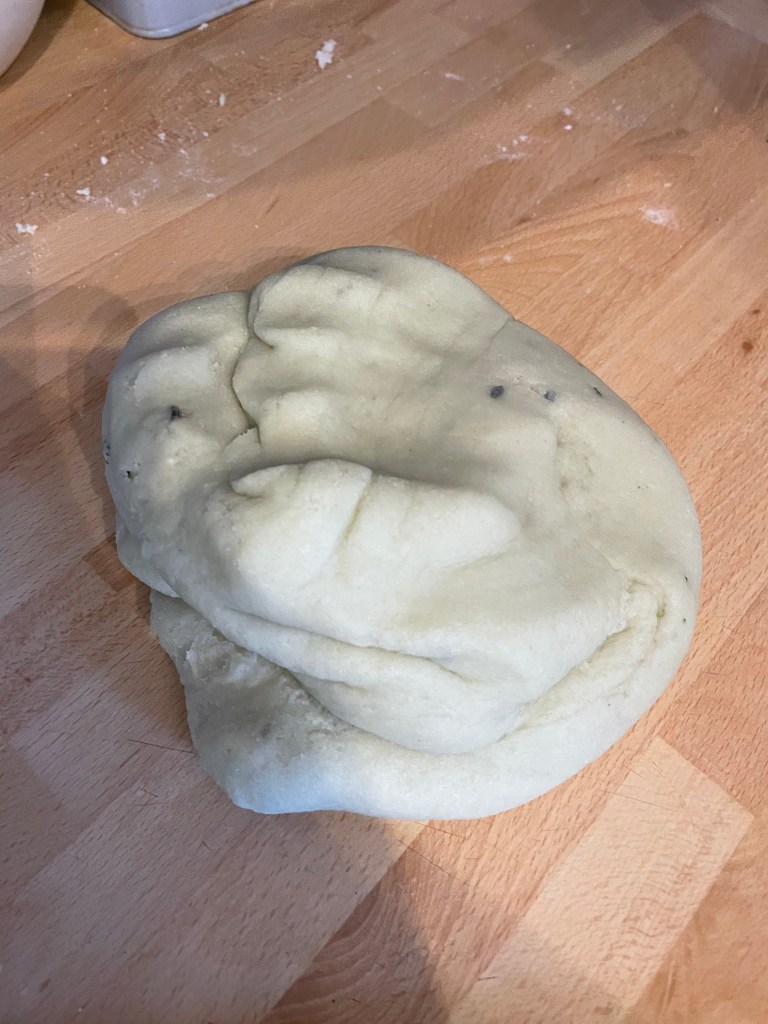
When all ingredients are mixed and it looks doughy pour out onto your floured worktop and knead until a good consistency.
(I have added green food colouring, but I am not sure you can tell!)

You also don’t need lots of fancy equipment to play with it either. If you can add a rolling pin, a spoon and some pots and let their imagination take over.