
Let me set the scene. You have been at a play group with your child for the last two hours and you have had a brilliant time. It’s time for the playgroup to finish and so you go over to your child and pick him up and say it’s time to go, then suddenly there is uproar. The tears start and the kicking starts and all you want to do is run! I haven’t yet met a single parent who hasn’t experienced this very scene.
All children find transitions difficult, whether it’s the big transitions such as starting nursery, changing classrooms or moving house or the small transitions such as leaving play group or having to stop playing because you’ve got to go and get your other child. Children with ASD, ADHD, Sensory Processing and other conditions find transitions particularly difficult too. Mainly because transitions require an element of flexibility, or they have to come away from an activity that they are hyper focusing on or for children with sensory processing, changing activity may result in a change of sensory input, which may be something they find difficult.
But for whatever the reason or whether your child doesn’t have a diagnosed condition there are ways that you can help all children cope better with transitions.
Prepare them – Imagine how you would feel if you were really enjoying something and then someone just came and picked you up and took you away from that really fun thing. You might kick up a fuss too. So prepare them that soon it is time to go. Even though they don’t understand time. You can still say things like we are going in 5 minutes, we are going in 3 minutes etc, but the act of saying that you are going a few times will help process the information and it may not be as difficult for them.
Prepare yourself – Get ready to go yourself before you start telling them it’s time to go. That way as soon as you have told them it’s time to go, you actually can go. They don’t have to wait around for you to get ready or more likely run back to the activity you’ve just managed to get them away from and you have to start the whole thing again.
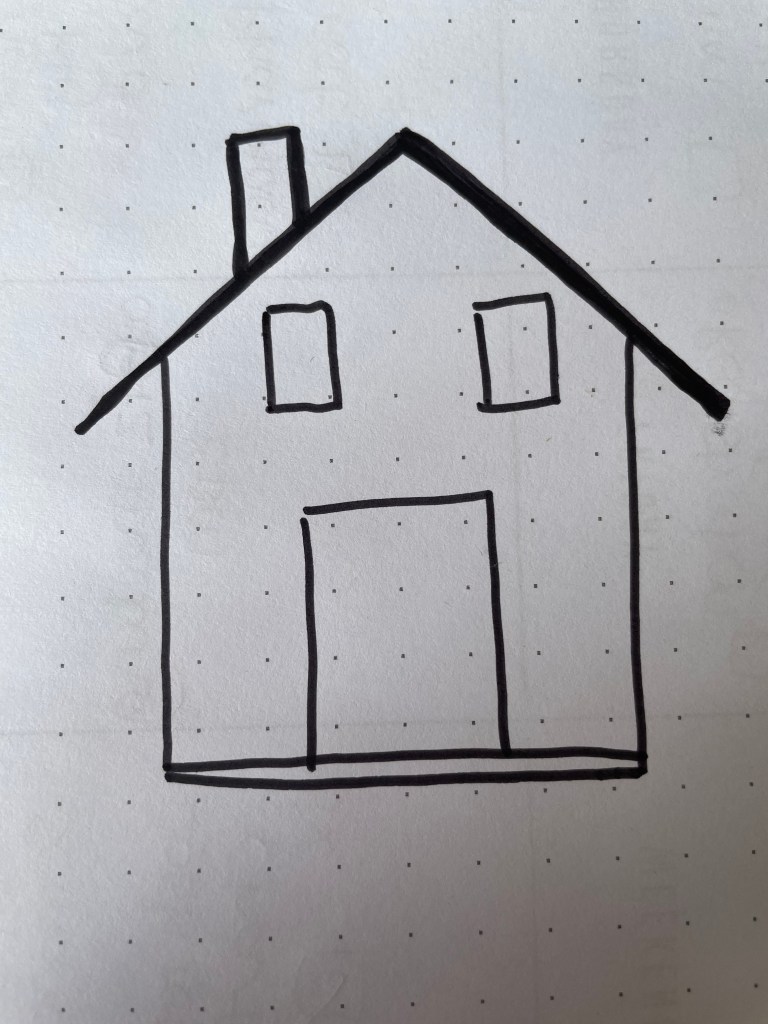
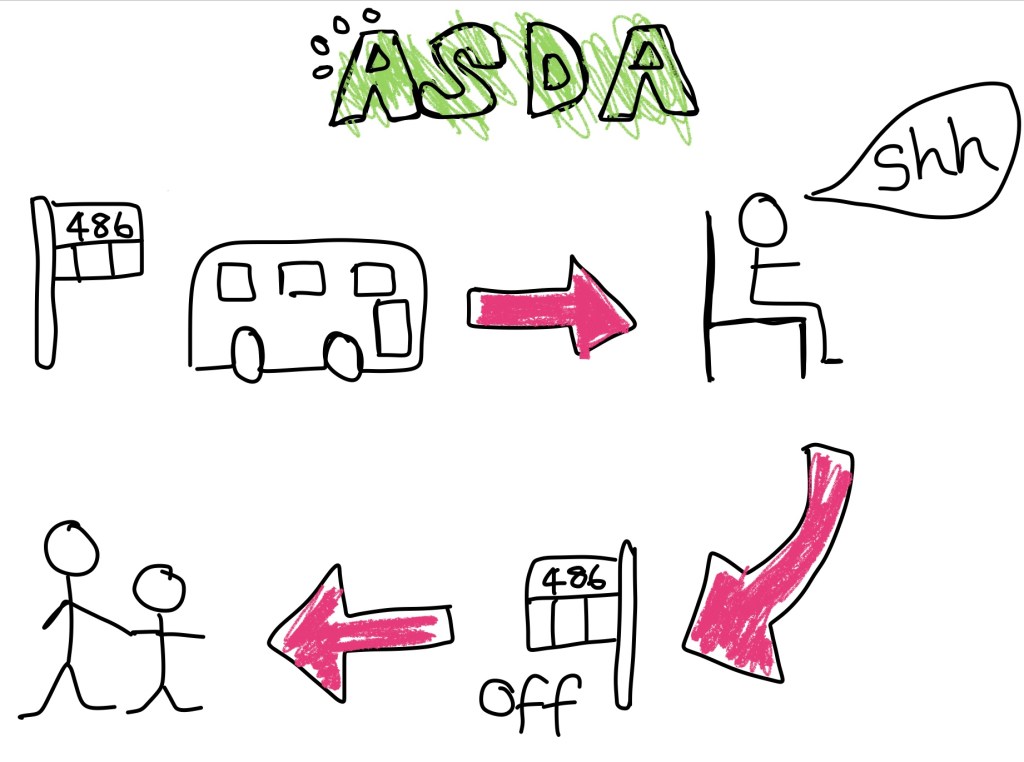
Simple Visual – At work with children who struggle to leave and go home, I have a very simple drawing of a house, that I can show them a few times, whilst saying it’s time to go home. The visual re-enforces the point that it is home time and also can draw their attention away from the activity. You don’t have to be a super artist, but it really supports what you are saying which is ‘we are going home’. Or for example you needed them to go to the toilet, you could draw a picture of a toilet etc.
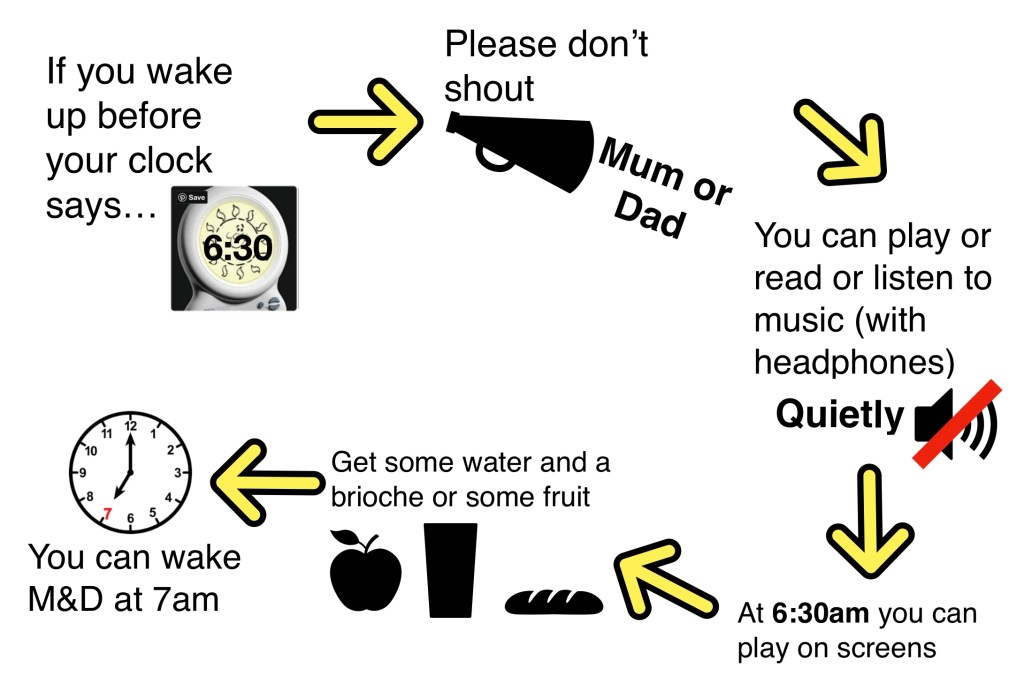
Visual Timetable – Using a visual timetable again supports your communication of what is happening throughout the day. When we go on holiday and my little one gets confused because of the change in routine. I simply draw a picture for each key event of the day and then we can refer back to it when he needs to know what is happening.
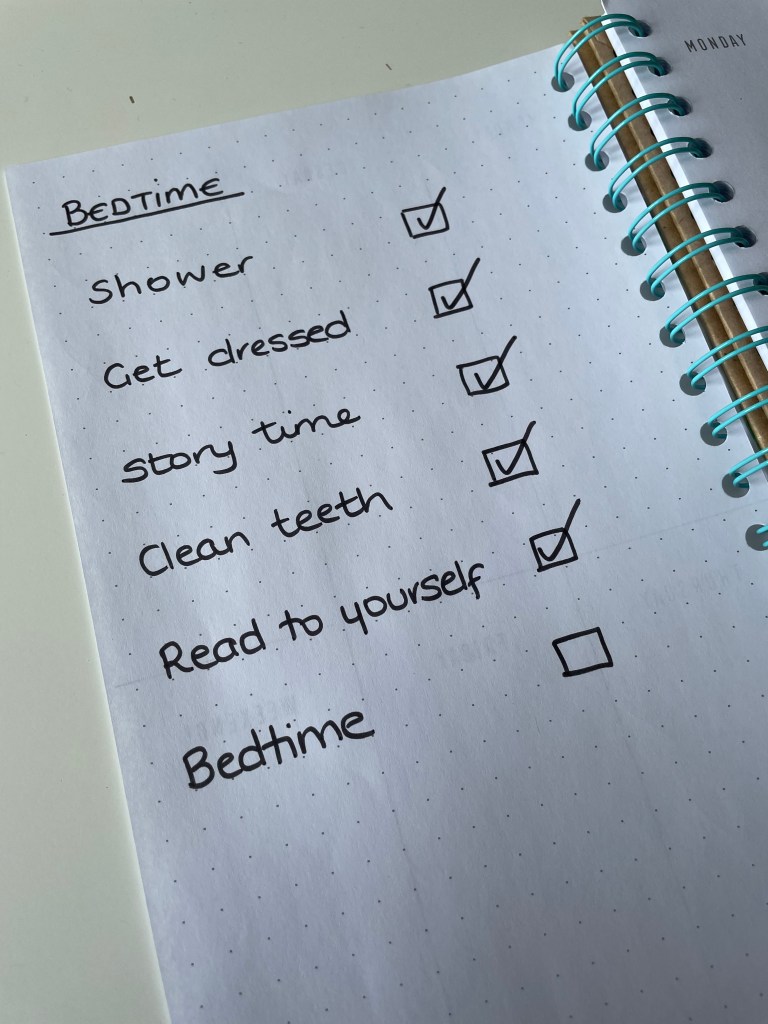
Tick Sheet – This might be better with older ones. But who doesn’t like a to-do list. The key with this is your child is part of actively ticking off the event so they know that it is now finished. It can also show what is happening next.
Now and Next boards – A few weeks ago I wrote a blog post about the benefits of now and next boards. The board has a visual card for each activity and it shows what your child is doing now and what they are doing next so that they are pre-warned about what is going to happen.
Singing – When my little one was really little I would always sing ‘twinkle, twinkle, little star’ when it was time to put on his coat and whilst I was putting on his coat. He knew that when I started singing it, it was time to put his coat on. There are also lots of songs on youtube you could use about tidying up for example that you could sing when it is time to tidy up.
Timers – These days you have timers available on your phone or watch. So you can easily say, “when the timer goes ding ding, it’s time to let so and so have a go with the bike” or you can let them know that when the timer goes off its time for lunch or time to leave. Sand timers are also a really great resource so they can see how long is left.
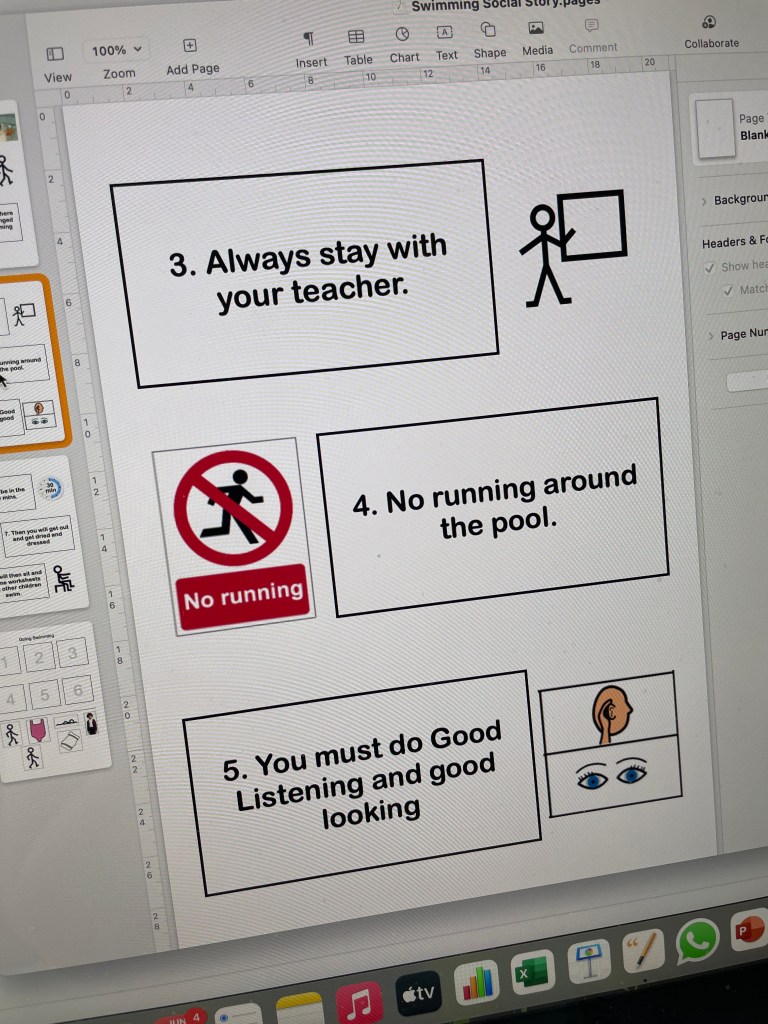
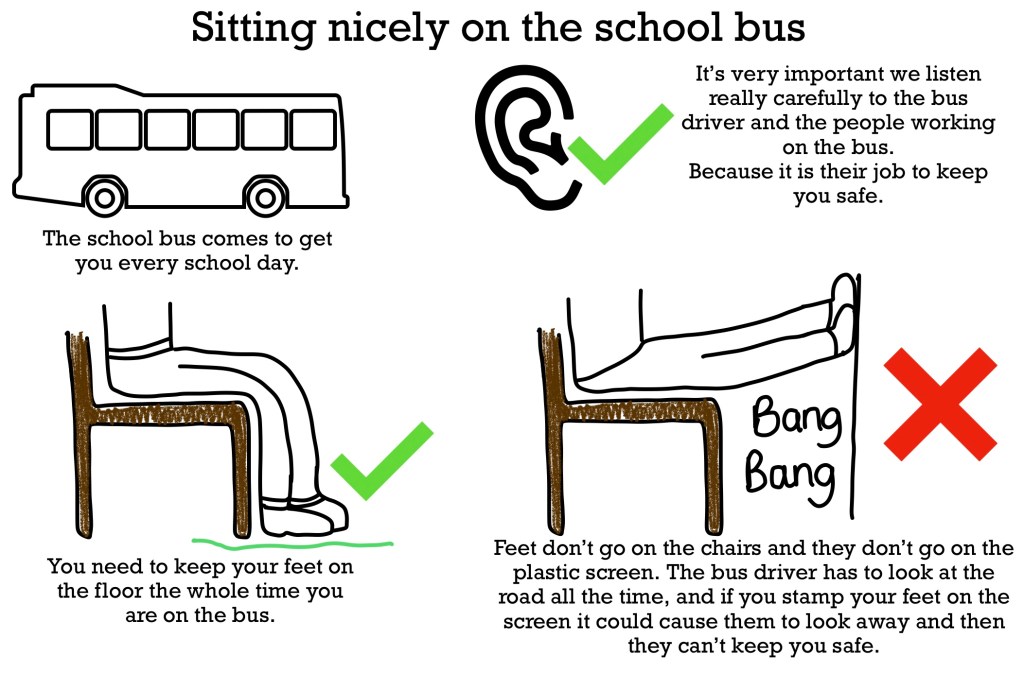
Social Stories – These are mainly for big transitions such as support with what to do at play time, or moving classes or moving house. But they are a great resource, if you are wanting to really show what will happen and what is expected of them.
Now I am not saying for one minute to use all of these strategies. You need to find the strategy that is right for you and your family. I sometimes use a different strategy depending on the situation. But you will find what works for you!
Hopefully with a few of these in your parent tool belt, you will feel a bit more confident in those times where in the past transitions may have been tricky!
 SEND Support